Advice on inspecting a steel storage tank
What the standards actually require, what an inspection finds, and what the findings cost to act on. Three new articles a week.
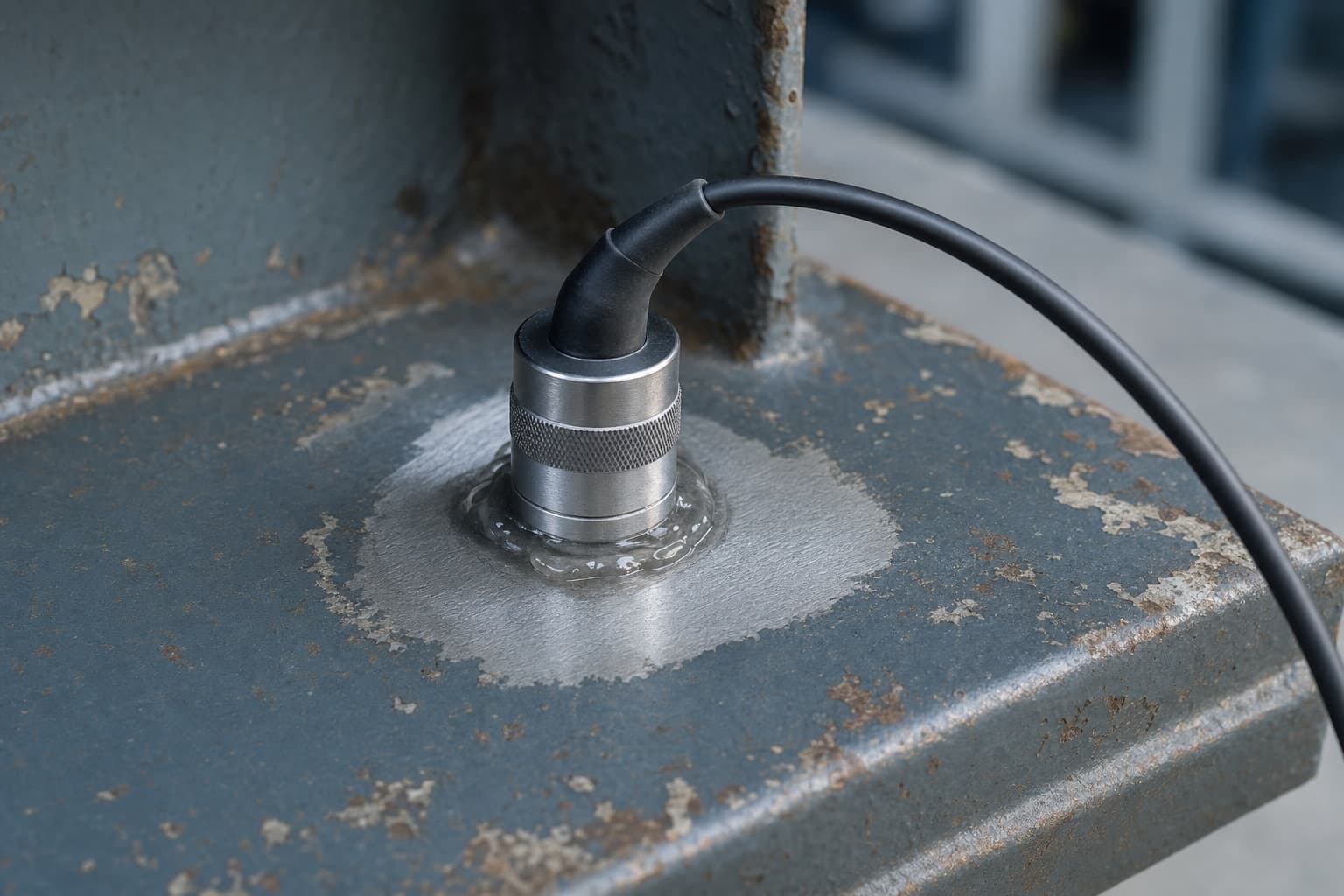
Latest · October 23, 2026 · 3 min
Air compressor tank inspection: a pressure vessel that corrodes from the inside
A compressor receiver looks like a simple steel tank. It holds stored energy, it collects water, and its worst damage is on the inside where nobody looks.
Read it→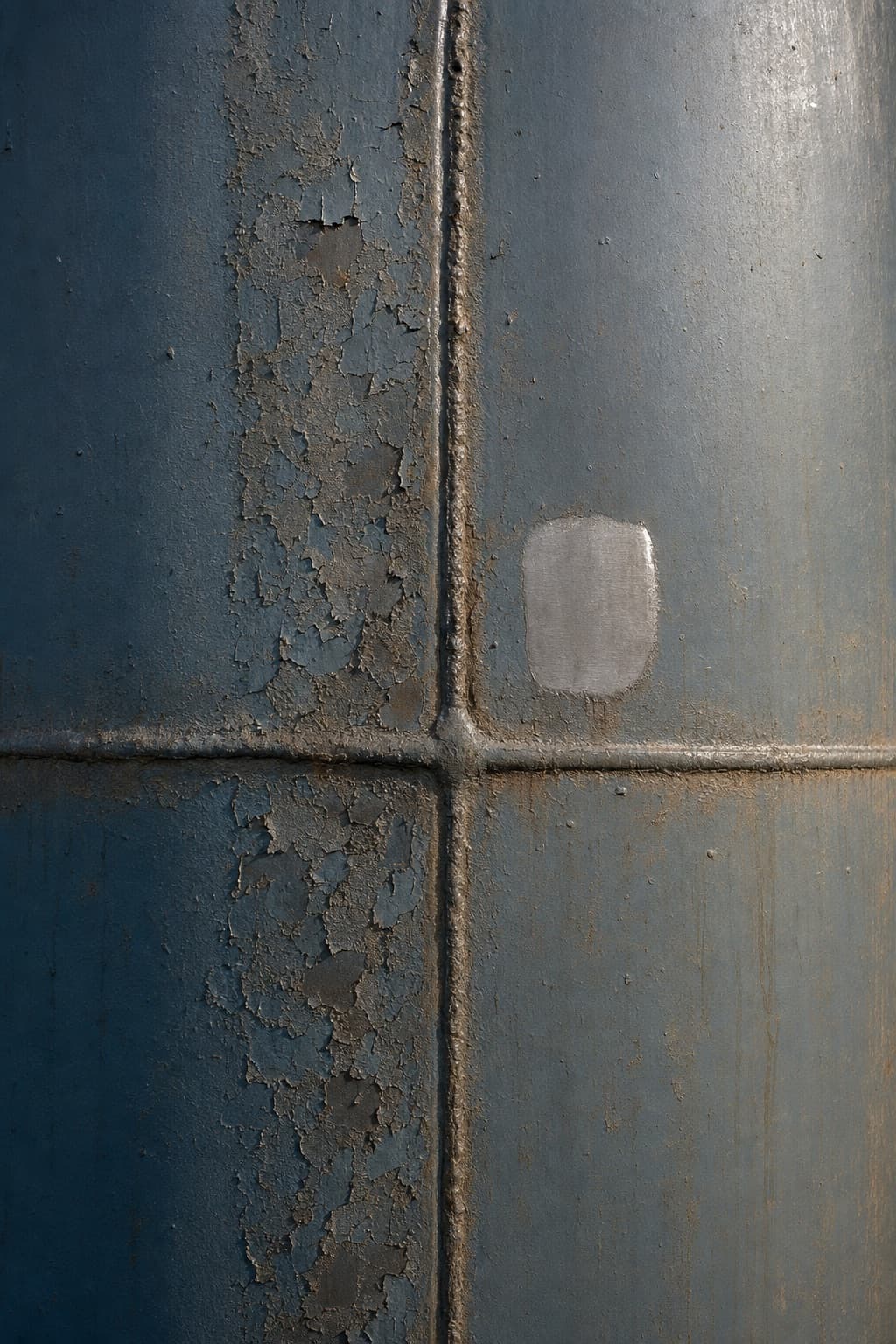
October 21, 2026 · 3 min
Propane tank inspection stamp: reading the marks on a cylinder collar
The collar of a portable propane cylinder carries its history in stamped characters. Two of them decide whether it can be refilled.
Read it→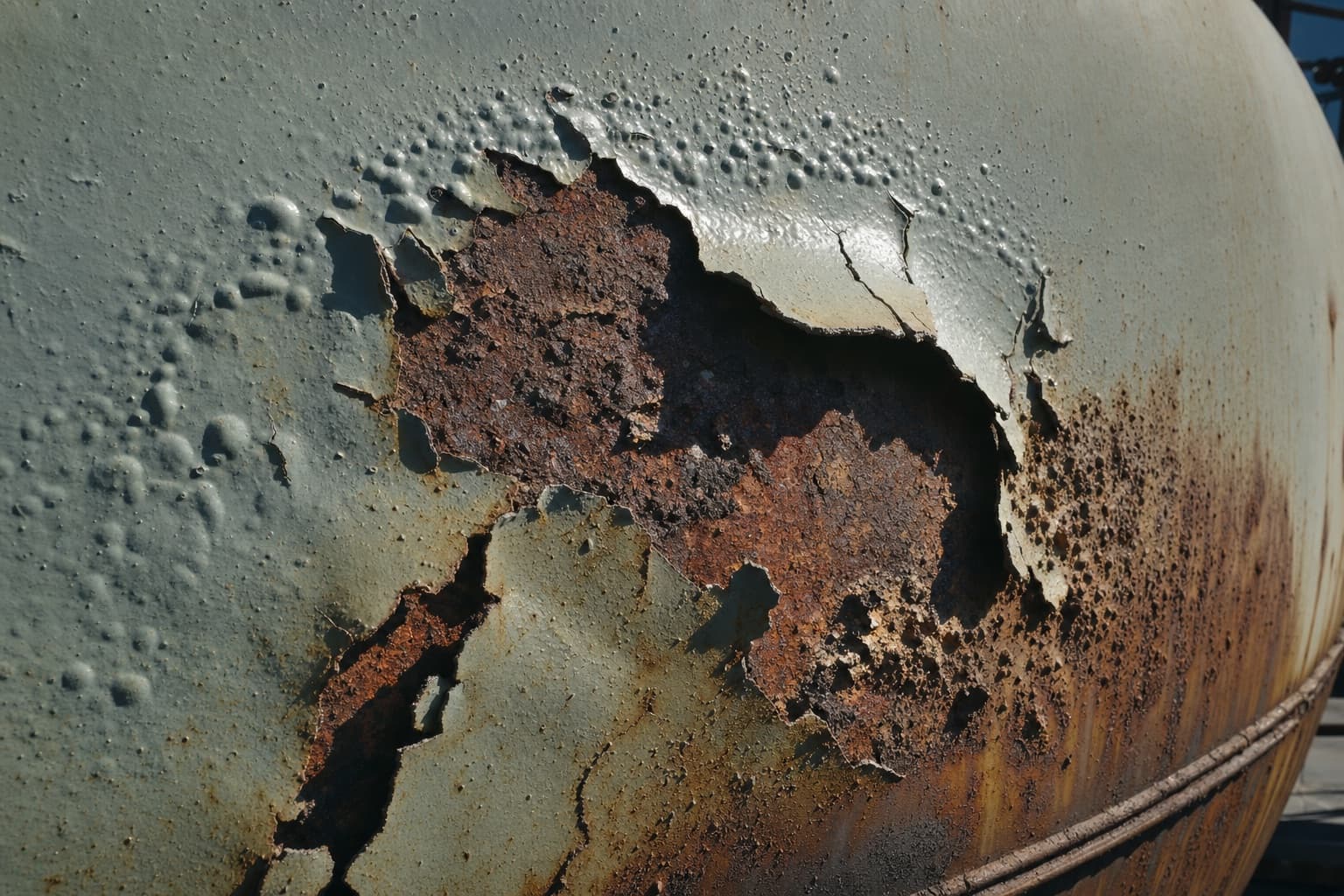
October 19, 2026 · 3 min
Underground propane tank inspection: what can be checked on a tank you cannot see
A buried propane tank shows only its dome. Most of what decides its condition is underground, and it is checked indirectly.
Read it→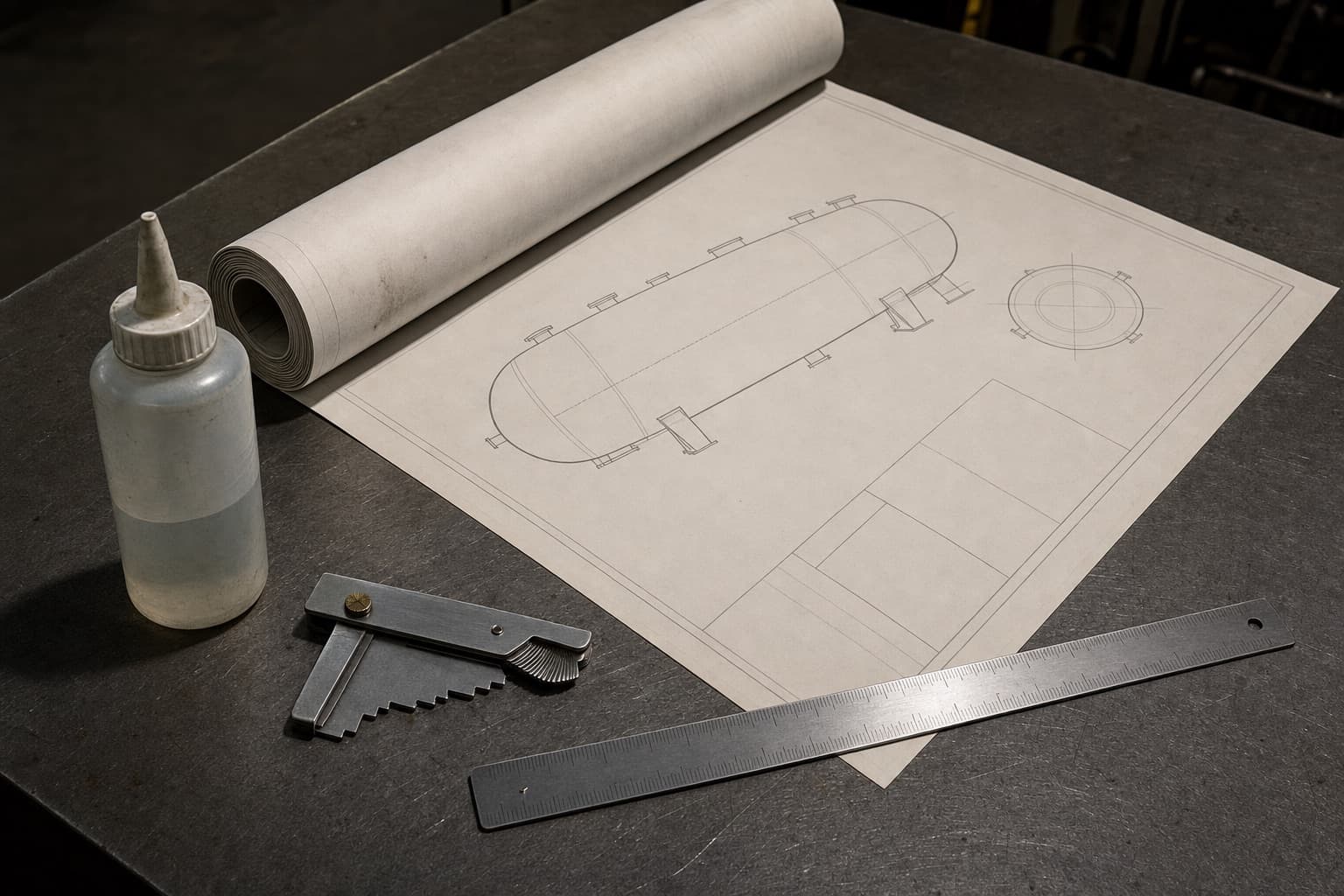
October 16, 2026 · 3 min
API 653 inspector: what the credential covers, and what it leaves to others
The inspector who signs an API 653 report holds a personal certification. Knowing what it certifies, and what it does not, is the quickest way to read a proposal.
Read it→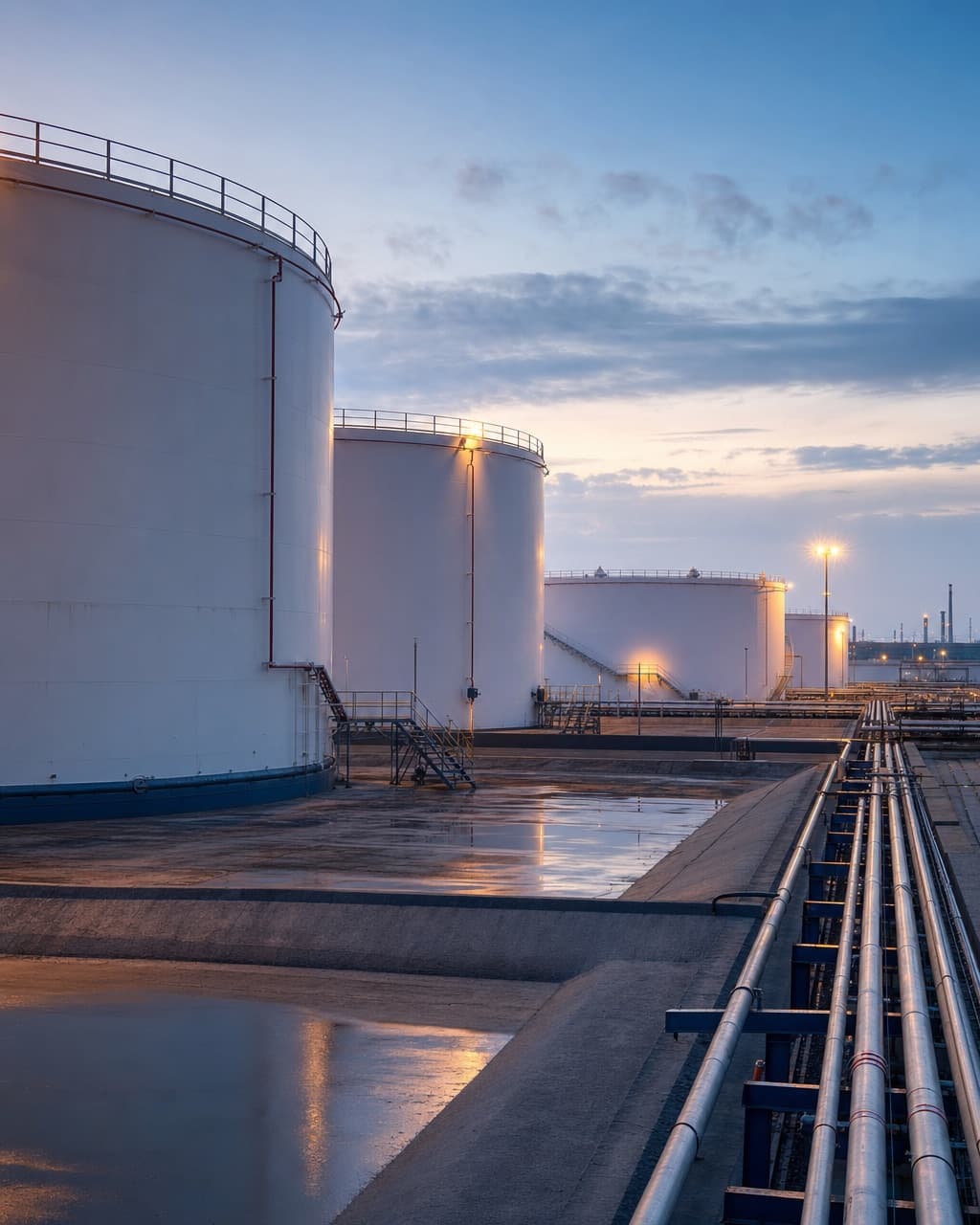
October 14, 2026 · 3 min
SPCC inspection: what the plan requires you to inspect, and who decides how
An SPCC plan does not contain an inspection schedule handed down by the rule. It contains the schedule your facility committed to, and that is what gets checked.
Read it→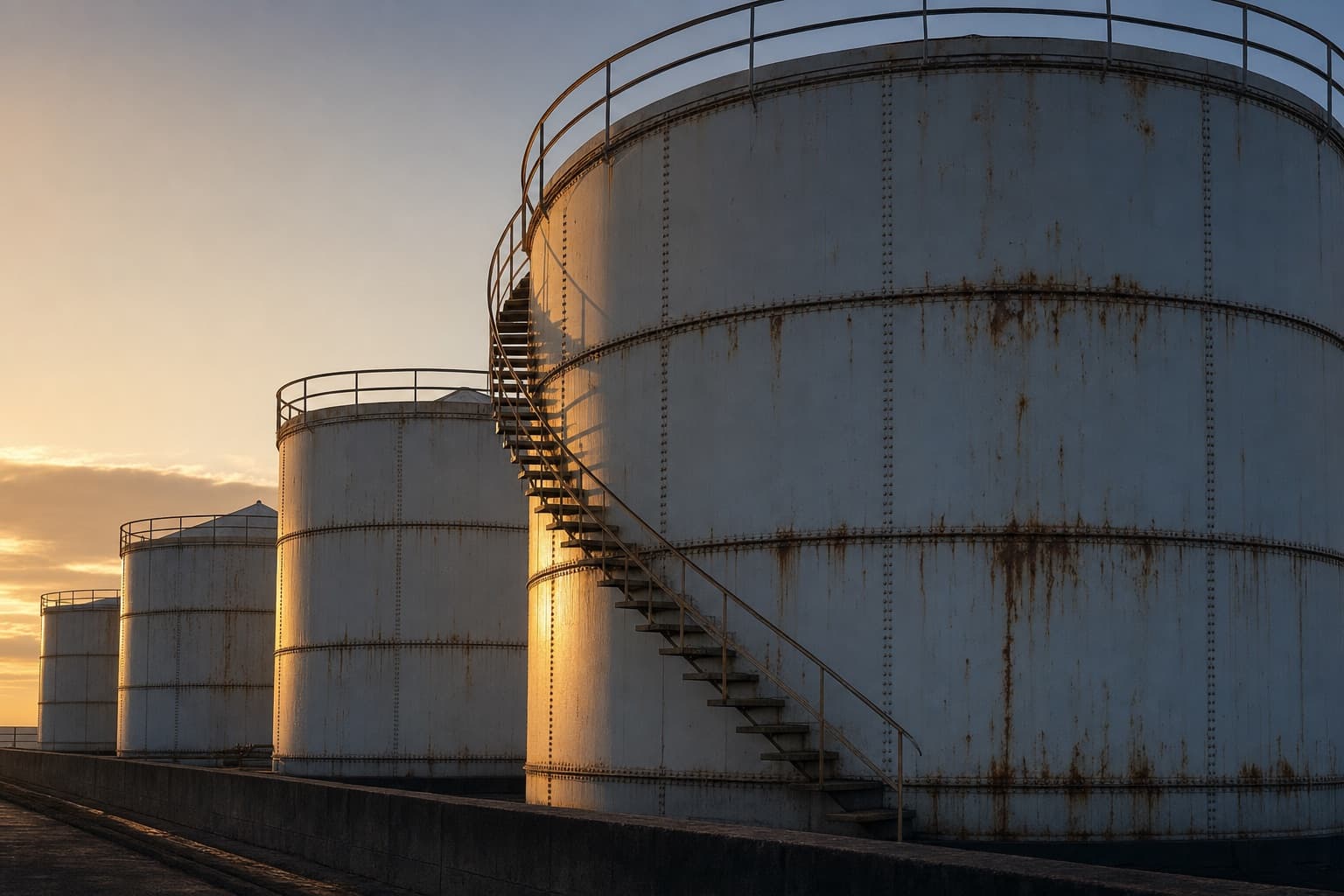
October 12, 2026 · 3 min
Propane tank inspection: three different tanks, three different rules
The same words cover a grill cylinder, a residential tank in the yard and an industrial vessel. Who inspects each one, and against what, has almost nothing in common.
Read it→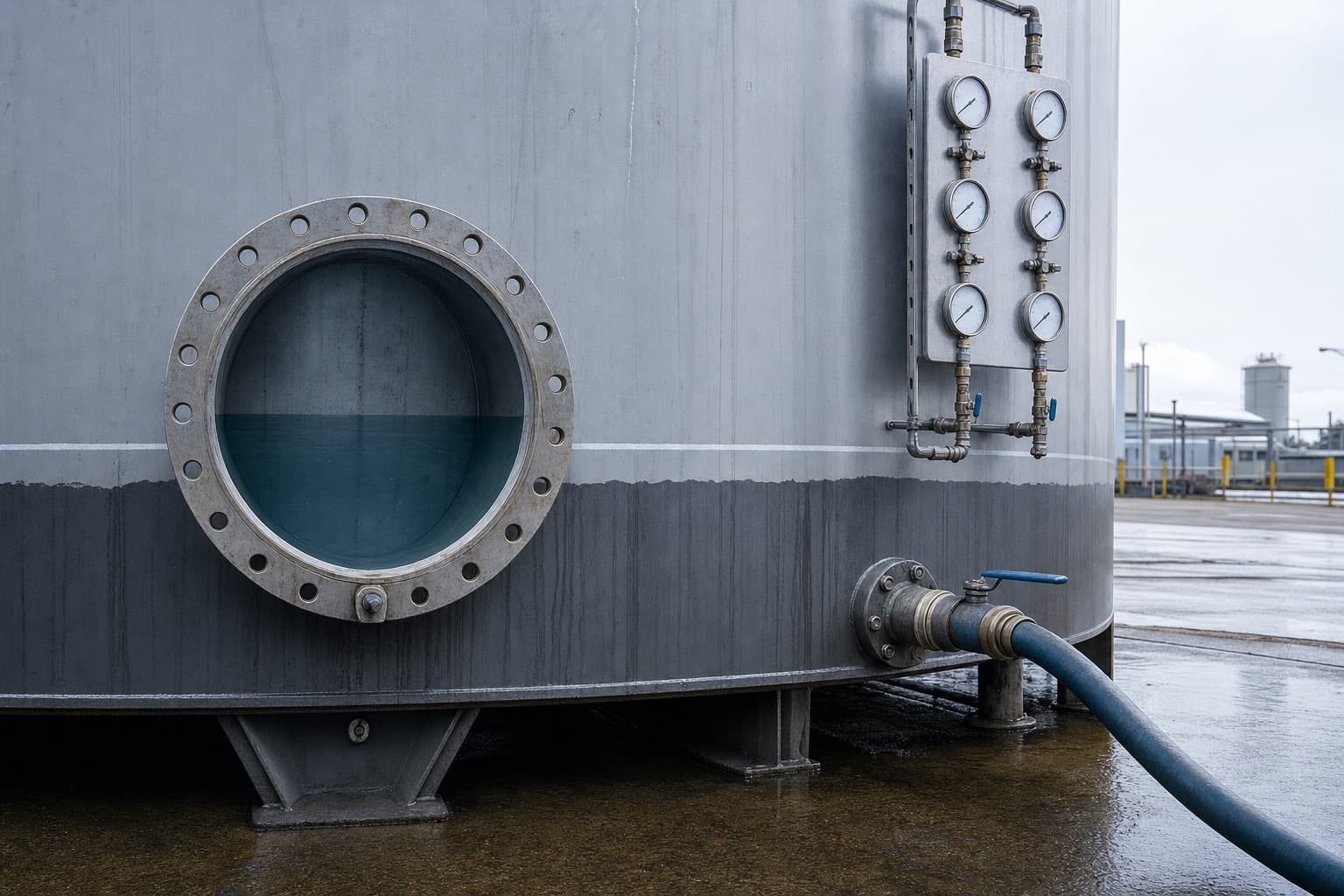
October 7, 2026 · 6 min
Tank sweep inspection: a property search, not a tank examination
A tank sweep searches a property for a buried tank. It is not steel tank inspection work: who does it, why it is urgent, and where the two trades meet.
Read it→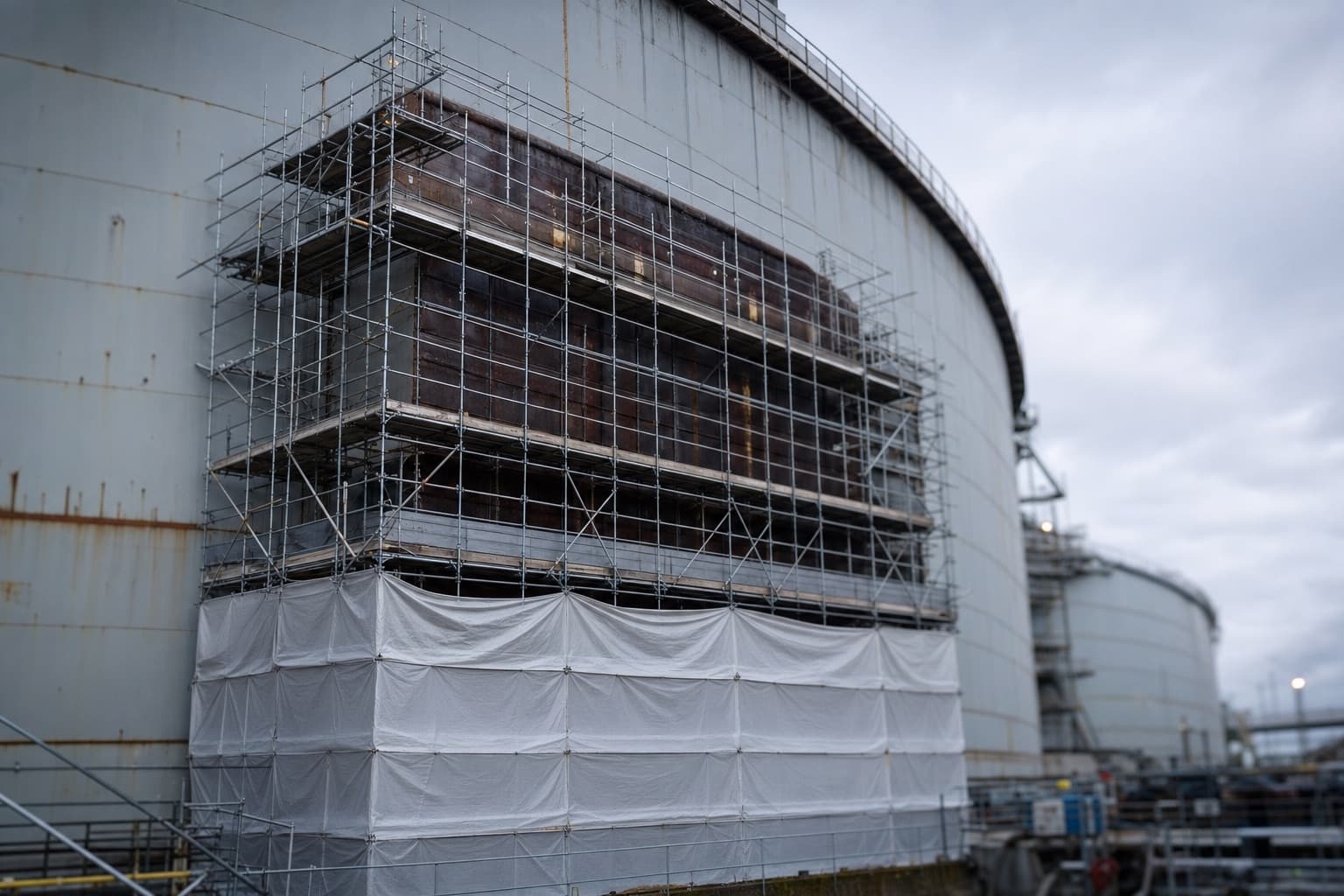
October 5, 2026 · 7 min
Oil tank inspection cost: the factors that move it, and why no honest page prints a figure
The same four words cover a domestic tank in a basement and a terminal shell. Any number published without knowing which one you have is marketing, not a price.
Read it→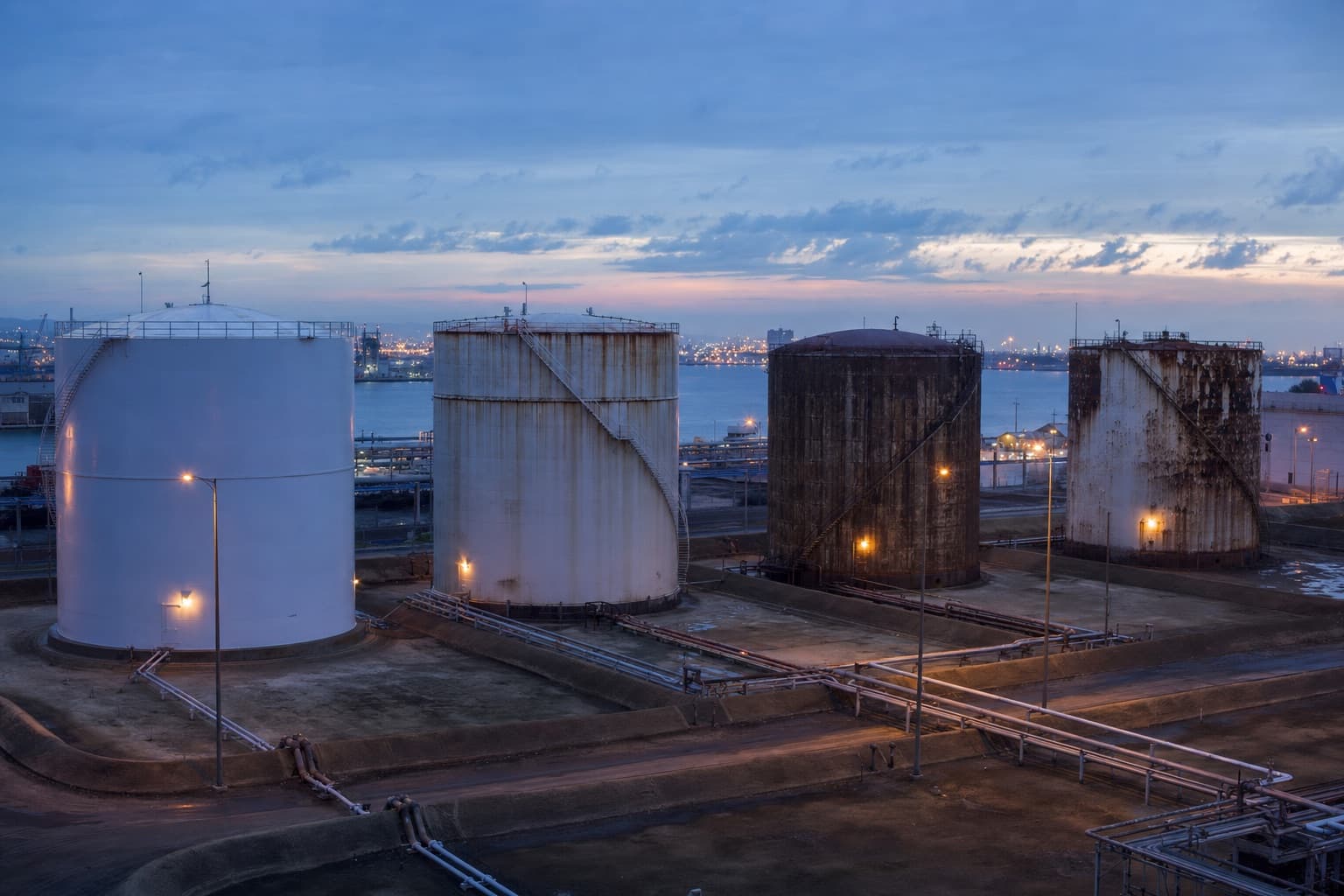
October 2, 2026 · 7 min
Tank inspection services: separating the examination from everything around it
Most of what appears on a tank inspection invoice is not inspection. Knowing which parts are which is what makes three quotations comparable.
Read it→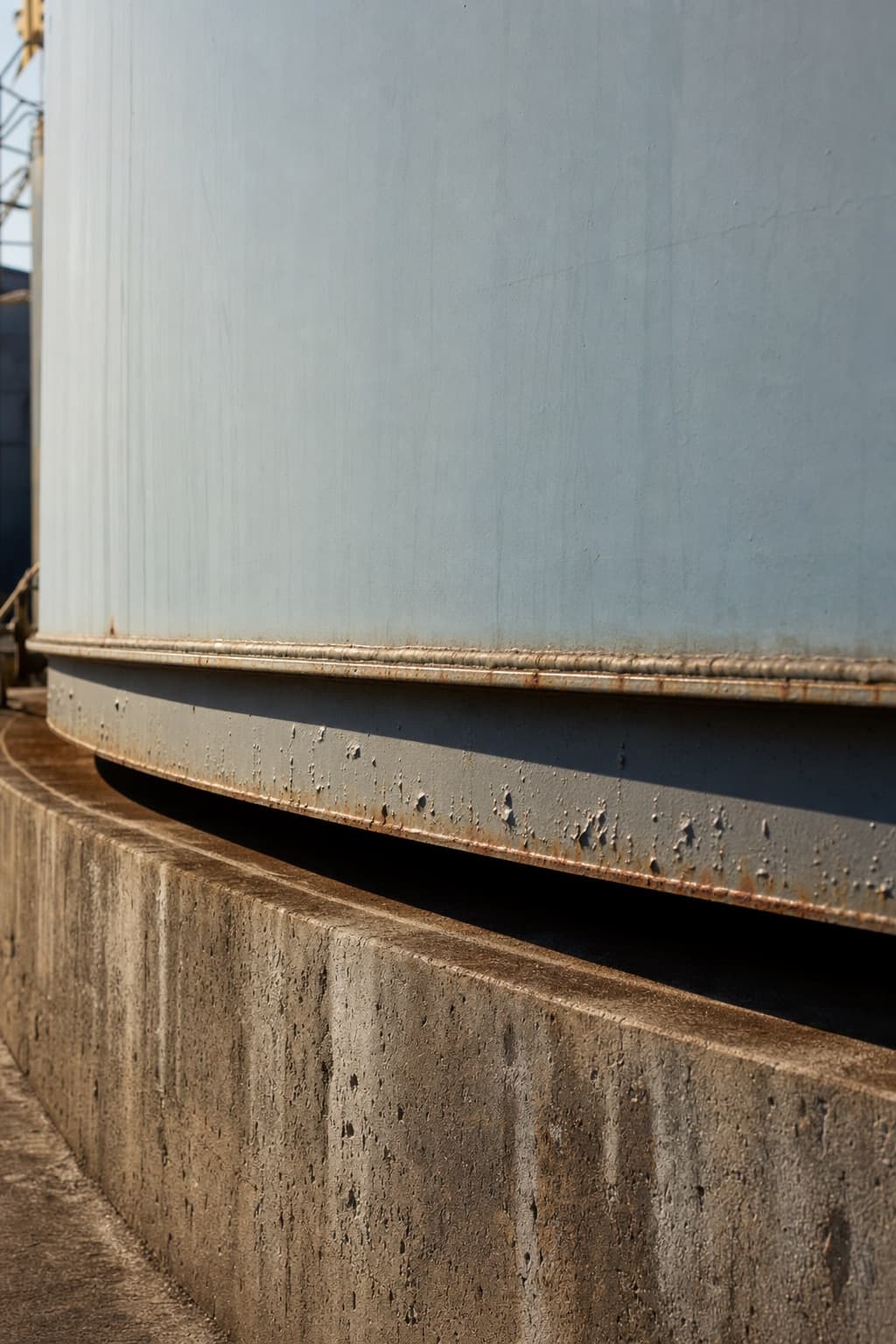
September 30, 2026 · 7 min
Tank integrity testing: an umbrella term, and the four different tests hiding under it
The phrase means one thing to a UST regulator, another to a terminal engineer and a third to a vendor selling a service. Agreeing which one you need comes first.
Read it→September 28, 2026 · 7 min
Ultrasonic thickness testing: what the readings prove, and what they quietly miss
A UT reading is a measurement of one spot. The usefulness of a set of readings depends entirely on where they were taken and whether anyone can repeat them next time.
Read it→September 26, 2026 · 7 min
API 650 storage tank: reading the design basis before anyone quotes an inspection
Three numbers from the original design decide most of what an inspection will find, what it will cost and how long the next interval can be. They are worth finding first.
Read it→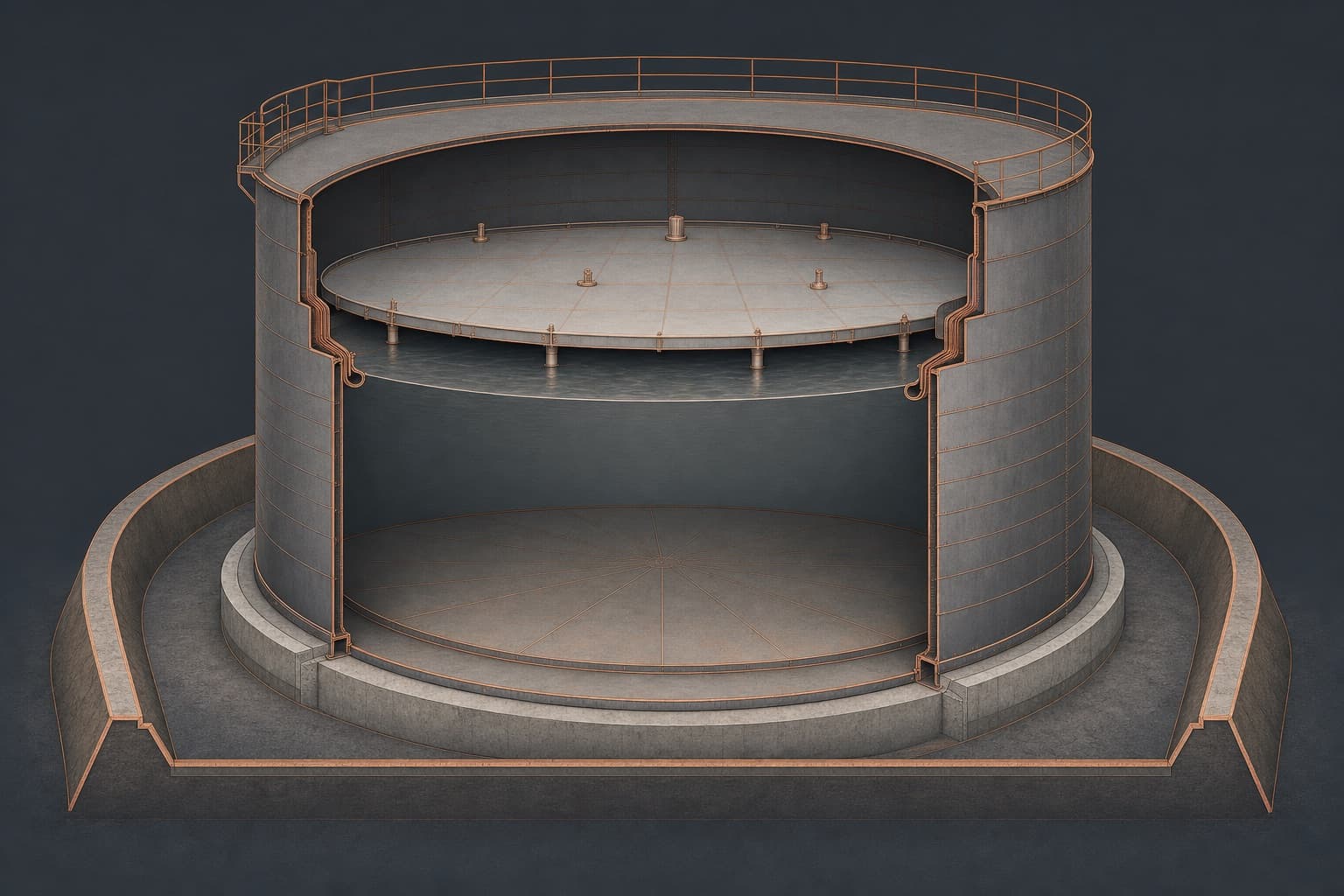
September 24, 2026 · 7 min
API 650: what the construction standard decides, and why it still governs a forty-year-old tank
API 650 builds tanks and API 653 keeps them in service. The first one sets the numbers the second one measures against, which is why the original file matters decades later.
Read it→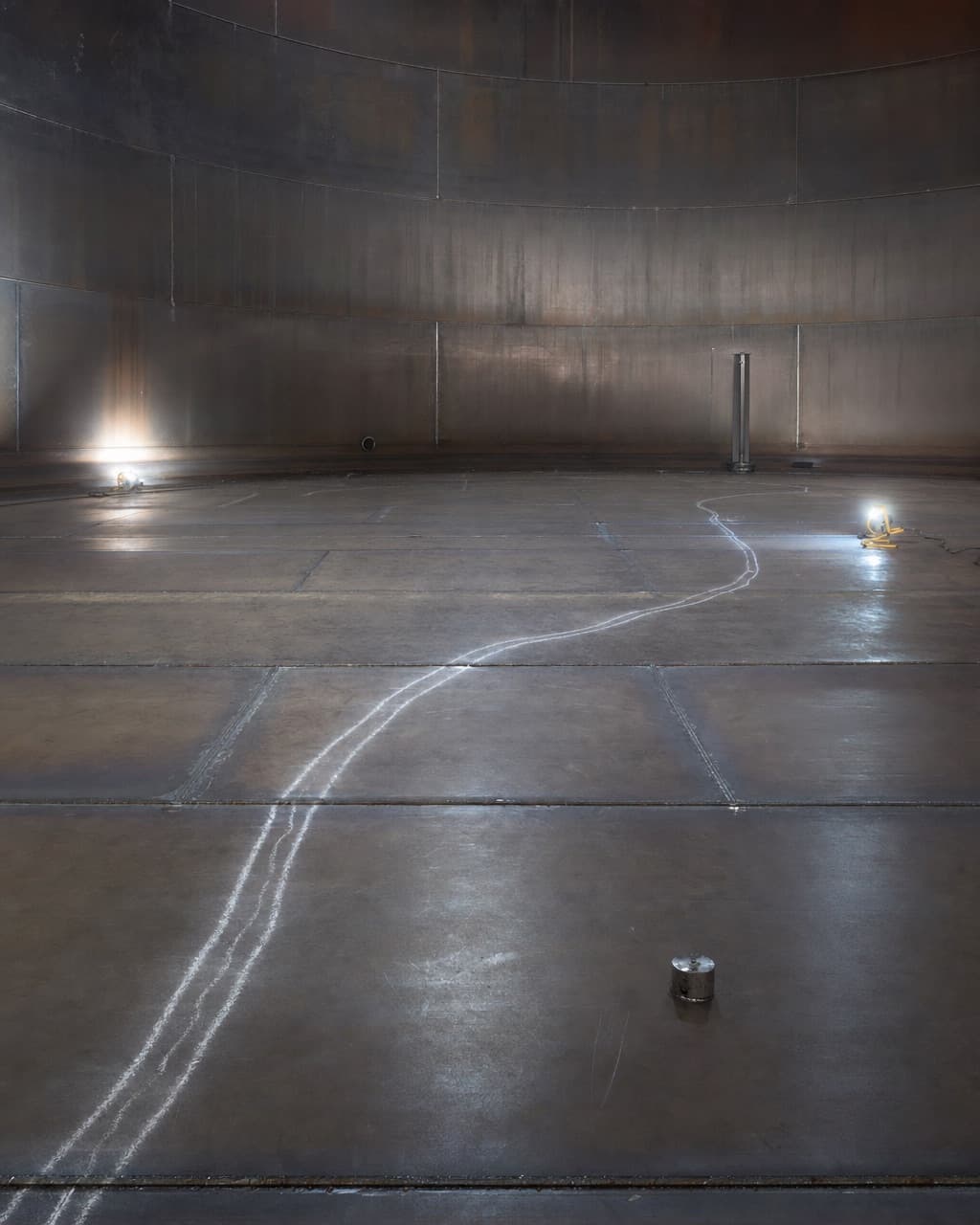
September 18, 2026 · 7 min
Fuel tank inspection: fleets, generators and the tanks in between
Diesel and gasoline tanks sit in a gap between worlds: storage tank standards on one side, fire codes and fuel quality on the other. What gets inspected depends on which world your tank answers to.
Read it→September 16, 2026 · 6 min
Heating oil tank inspection: what a serious one looks like, from a company that does not do them
Home heating tanks are outside API 653 entirely, and nobody here has a job to win on them. That makes this a good place to say plainly what a competent inspection of one covers.
Read it→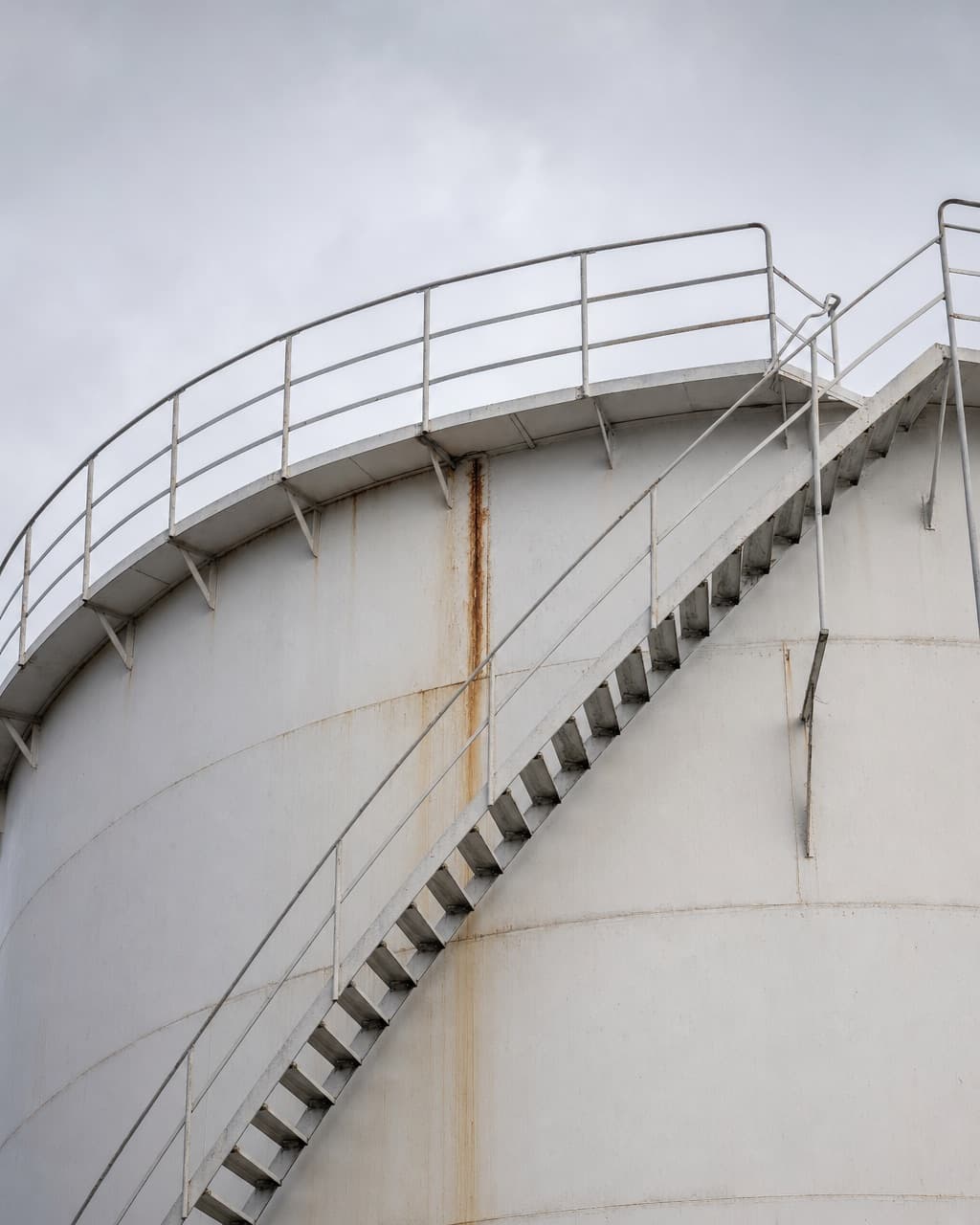
September 14, 2026 · 7 min
Above ground oil tank inspection: what a full examination actually covers
A full aboveground oil tank examination from foundation to roof, in the order an inspector walks it, and what each part of it is trying to find.
Read it→September 11, 2026 · 6 min
Underground oil tank inspection: what it involves, and why it is a different trade
Most people asking have a buried home heating tank and a property sale. That is environmental work under state rules, and honest help says so first.
Read it→September 9, 2026 · 7 min
Tank inspection: an honest map of who inspects what
The generic search lands on one page, but the work belongs to half a dozen trades. Here is the whole territory, including the large parts of it that are not ours.
Read it→September 7, 2026 · 7 min
Oil tank inspection: one search, three very different jobs
Oil tank inspection covers a terminal tank, a basement heating tank and a buried backyard tank. Only one falls under API 653: knowing which saves a week.
Read it→August 21, 2026 · 6 min
Aboveground storage tank inspection checklist: what the operator walk covers, and what it cannot
A checklist detects change. It does not establish condition. Knowing which of those two jobs you are doing on a given morning is what makes the walk worth the time.
Read it→August 19, 2026 · 6 min
Underground storage tank inspection checklist: what belongs on it, and who should give it to you
What belongs on an underground storage tank checklist, who should give it to you, and what it is for: proving to an auditor the walkthroughs happened.
Read it→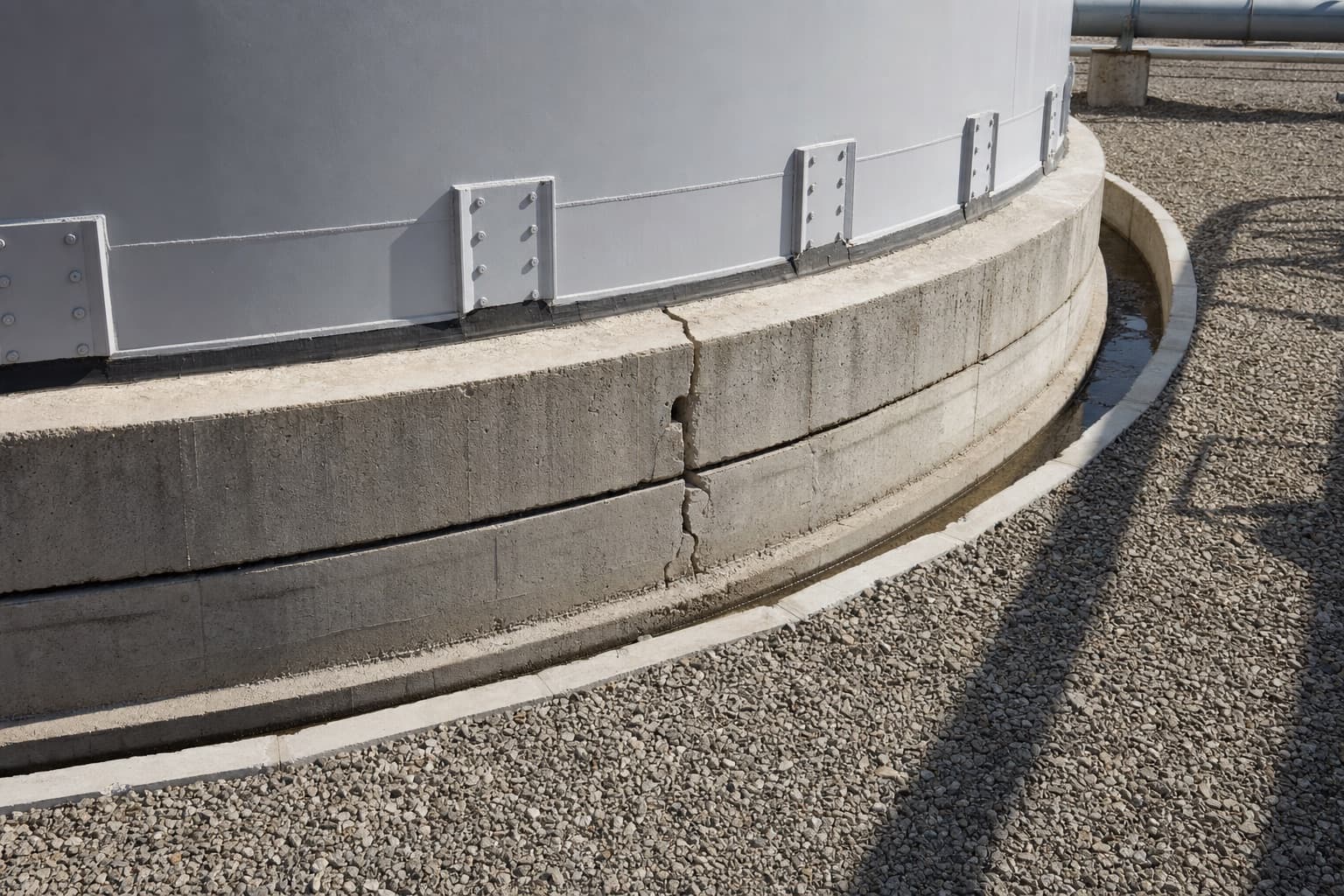
August 17, 2026 · 7 min
Aboveground storage tank inspection requirements: where they actually come from
There is no single list. The requirements on a specific tank are assembled from four sources, they stack rather than replace one another, and two of them are in your own filing cabinet.
Read it→August 13, 2026 · 6 min
STI SP001: which category your tank falls into, and why it decides everything
Shop-fabricated tanks are not inspected under API 653. The category assigned to them decides what is required, and the category depends on things you can check yourself.
Read it→August 10, 2026 · 6 min
Which aboveground tank to inspect first, and on what evidence
Nothing about a tank makes an inspection urgent except evidence. Here is the evidence that moves a tank up the list, in the order it usually appears.
Read it→August 8, 2026 · 5 min
API 653 certification: what the number on the report means
The certificate does one specific thing, and it is not a guarantee of quality. Knowing what it covers tells you what still needs checking.
Read it→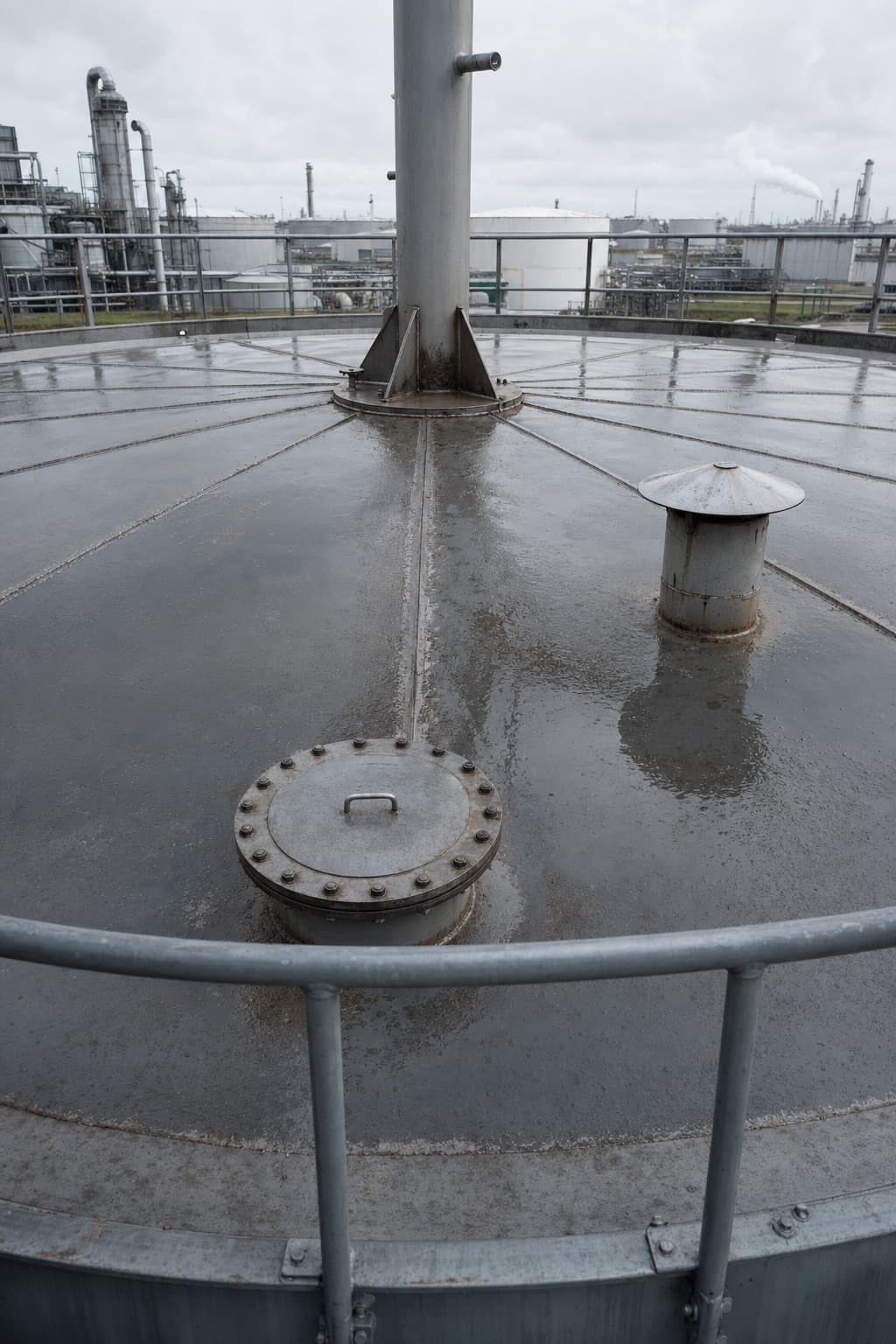
August 6, 2026 · 6 min
Inspecting a water storage tank: what differs from a fuel tank
Same steel, same corrosion, different consequences. What changes is the coating, the sanitary requirement and who has to be told.
Read it→August 3, 2026 · 6 min
Underground versus aboveground tank inspection: two different rulebooks
Underground and aboveground tanks follow different rules, methods and certifications. Most people asking about underground tanks need a different trade.
Read it→August 1, 2026 · 7 min
What happens during an API 653 inspection, hour by hour
The examination itself is a small part of the day. Most of an inspection is access, cleaning, measurement and the report that has to survive a regulator reading it.
Read it→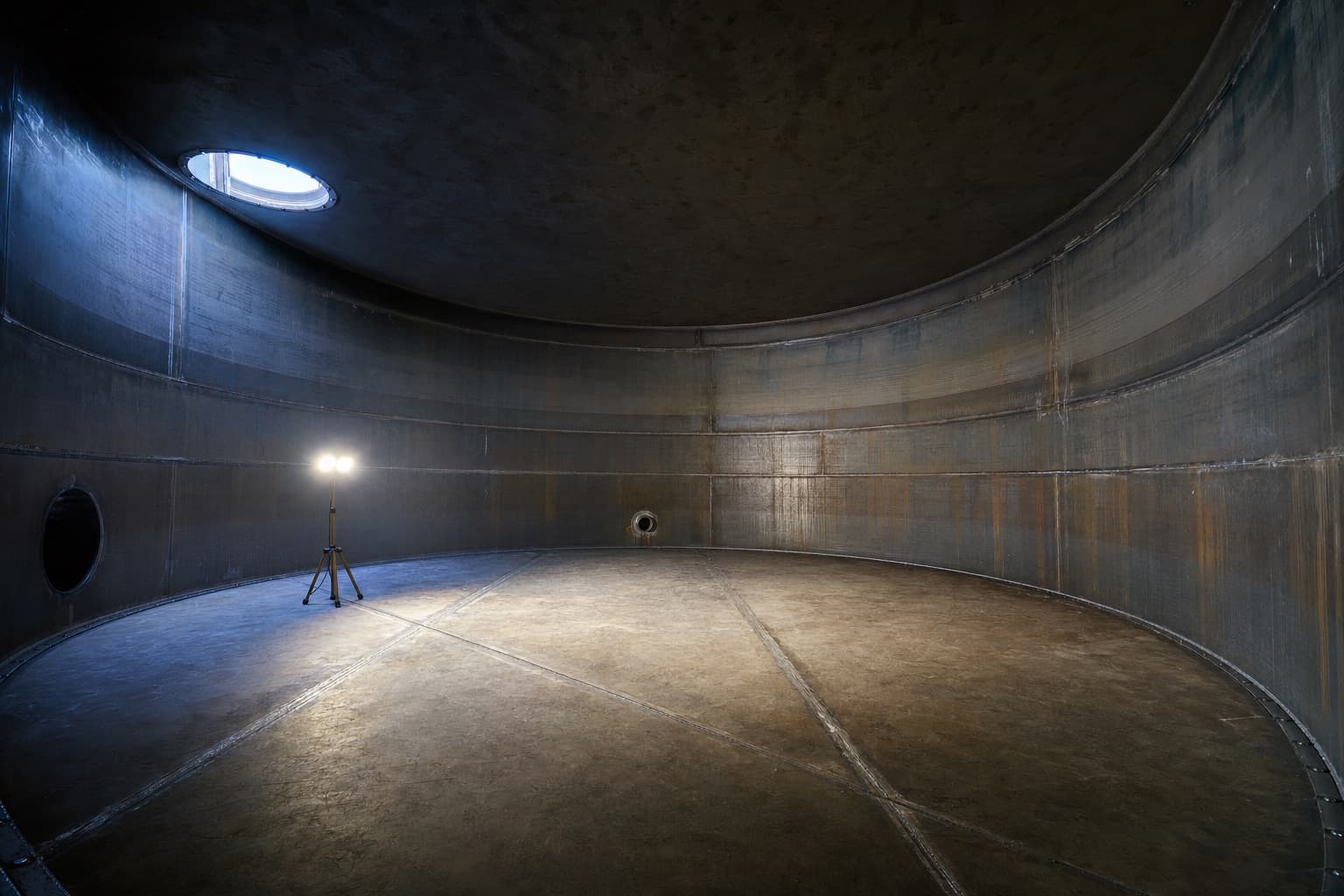
July 30, 2026 · 8 min
What API 653 actually requires, in the order it requires it
Three kinds of examination on three different clocks, and the clocks are not all fixed. Understanding which one you are due for is most of the work.
Read it→An inspection scoped against your tank
Four questions, then a call with the drawings open. Diameter and history belong in that call, not in a form.
Steel Tank Inspection is an independent reference on aboveground storage tank inspection under API 653 and STI SP001. It performs no inspections and signs no reports. It explains what an examination covers, what a compliant report has to contain, and how to verify that the inspector you are about to hire is currently certified.