Terminals and multi-tank sites: inspecting a fleet, not a tank
One tank is a project. Forty tanks is a programme, and the skills are different: ranking assets, batching outages, standardizing reports, and keeping data comparable across years and across vendors.
Rank before you schedule
A fleet inspected in the order the tanks are numbered is a fleet where the highest-risk asset waits its turn. Ranking uses the inputs you already have: product, age, coating and lining condition, cathodic protection, previous findings, corrosion rates, consequence of failure and criticality to operations.
Formal risk-based methodologies exist and can be adopted deliberately, with the documentation that entails. Even without adopting one, a simple documented ranking beats a queue.
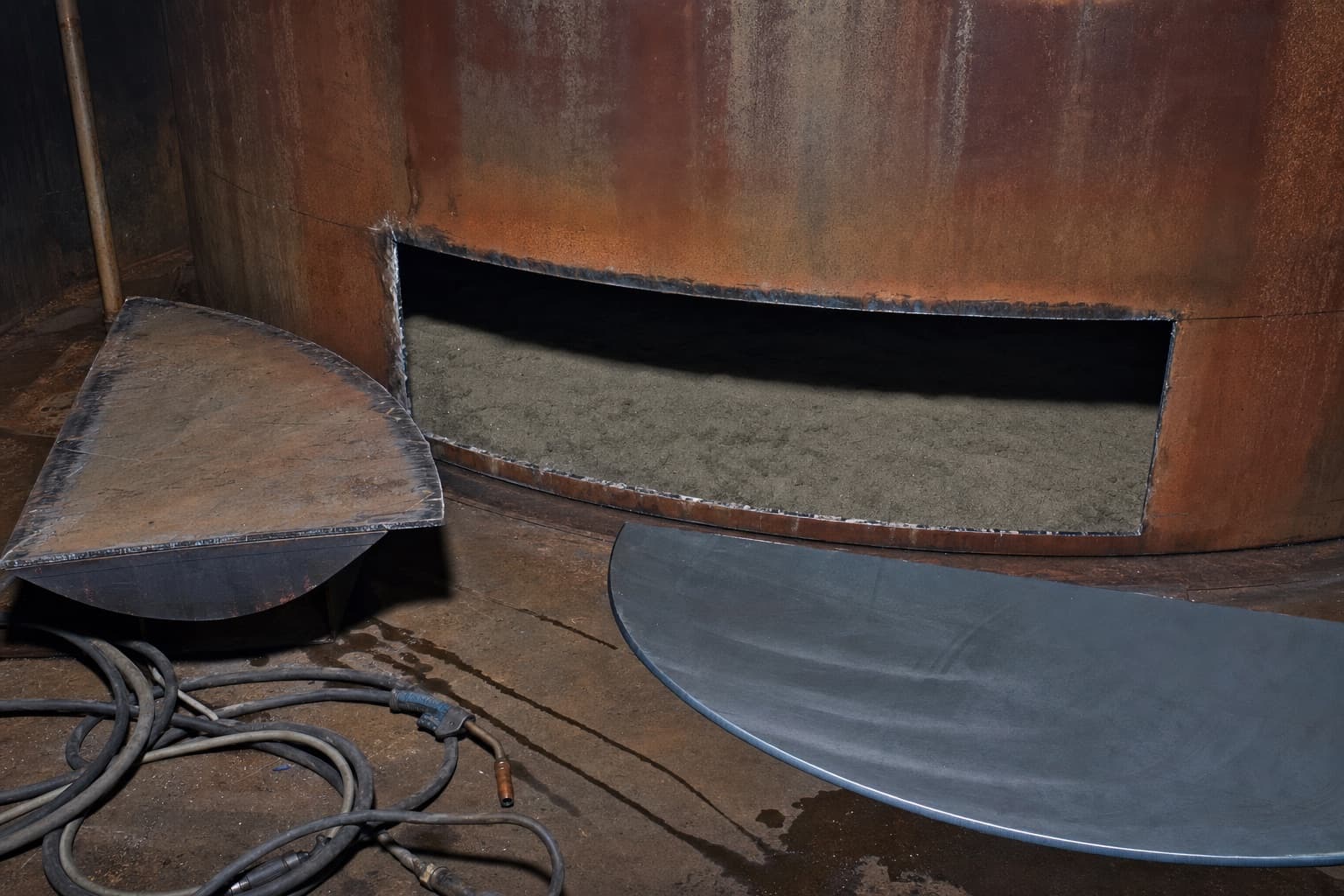
Batching outages
- Mobilization, site induction and equipment setup are spread across several tanks instead of one.
- Cleaning crews and waste routes are already established when the second tank opens.
- The inspection provider becomes familiar with the site, which shows in the second and third reports.
- Operations can plan around one disrupted period rather than four.
The counterweight is capacity: taking several tanks out at once constrains throughput. Which is why batching is an operations decision informed by inspection, not the other way round.
Standardize the deliverable, or lose the data
The most expensive mistake in a multi-year programme is not a bad inspection. It is twelve good inspections in six different formats, with reading locations recorded four different ways, so that no corrosion rate can be trended across the fleet.
- One report template, specified by the owner and required of every provider.
- One location convention for thickness readings, documented and reused.
- Data delivered in an editable, portable format, owned by the asset owner.
- A single register of findings and their status across the fleet.
- A defined review point each year, where intervals and rankings are updated.
None of this is exotic, and all of it has to be specified before the first purchase order. The individual report requirements are on integrity assessment.
Choosing providers for a programme
- Capacity across the window you need, not just availability for one tank.
- Certified inspectors on staff, named, with certification current.
- An NDT quality system with written procedures and qualified technicians.
- Willingness to work to your template and hand over raw data.
- Evidence of comparable fleet work, in comparable service, tank count is not the same as terminal experience.
The fourth point quietly filters more providers than the other four combined, and it is the one that protects the value of the programme over ten years.
Frequently asked
Should we use one provider for the whole fleet?
Consistency is genuinely valuable, and so is not being locked in. A common answer is one template and two qualified providers, which keeps data comparable and keeps pricing honest.
How do we start a programme on a site with no records?
With external inspections across the fleet to establish a baseline and a ranking, then internal inspections in ranked order. It converts an unknown liability into a schedule.
Can inspection intervals be extended across a fleet?
Only on the basis of data and an evaluation, tank by tank. A fleet-wide extension decided commercially is the kind of decision that reads badly after an incident.
Last reviewed July 29, 2026.
Discuss the programme, not the first tank
Fleet size, products, records available and the outage windows you can offer. Providers who run programmes price them differently from one-off inspections.
Steel Tank Inspection carries out API 653 and STI SP001 inspections on welded steel storage tanks: external and internal examinations, ultrasonic thickness readings, bottom evaluation, and the report the standard requires.