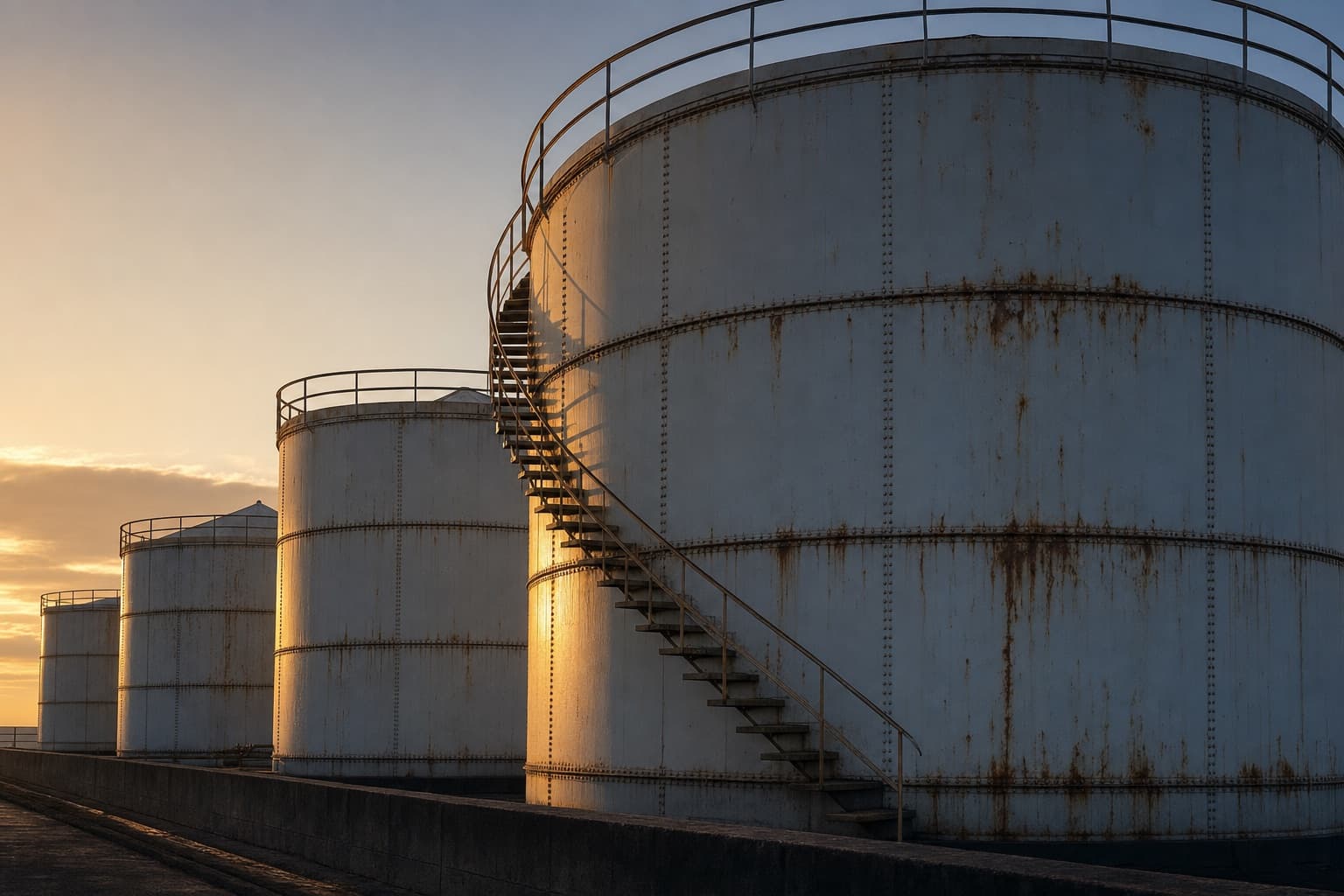
API 653 · STI SP001
The interval is calculated, not looked up
The date of your next internal inspection is derived from the corrosion rate measured on your bottom plates and the thickness left above the minimum. It is a calculation with your tank’s history in it, not a number from a table. That is the difference between a report and a document.
The report is the deliverable
Certification number, standard and edition applied, raw data rather than a summary, calculations shown, findings ranked, next due dates and how they were derived.
The interval comes from your data
Measured corrosion rate and remaining thickness set the next internal date, subject to a ceiling. A tank with history earns a longer interval than an identical tank without.
Access is the cost, not the examination
A sound stairway and a walkable roof is a day. Scaffolding, rope access or a man lift is a different quote, and it is scoped before anyone mobilizes.
Three examinations, and only one of them needs the tank empty
Knowing which one is due, and which one is merely convenient to bundle with it, is the whole of inspection planning.
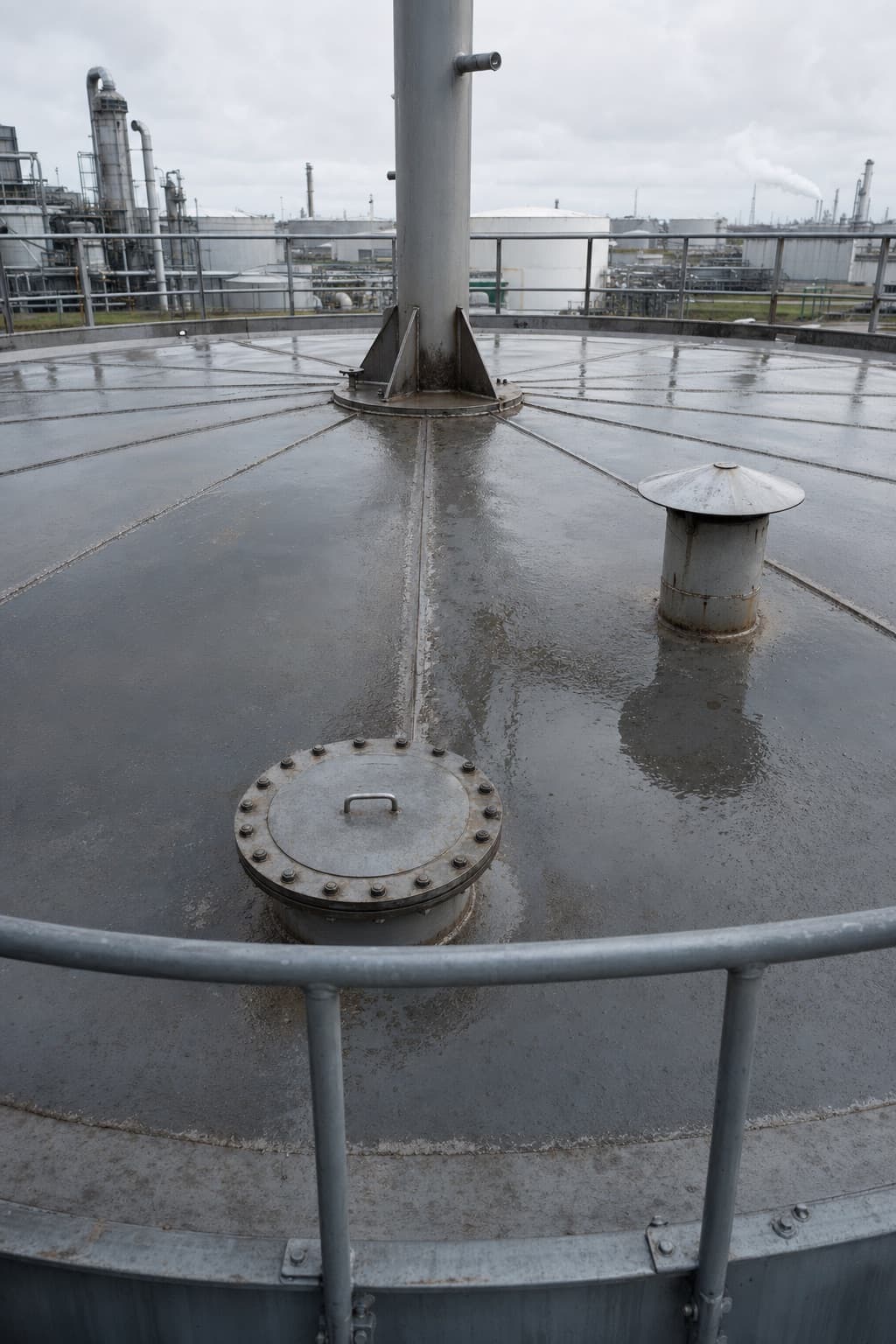
External examination
Tank in service. Shell, roof, foundation, appurtenances, coating, and thickness readings wherever they can be reached from outside.
What it covers→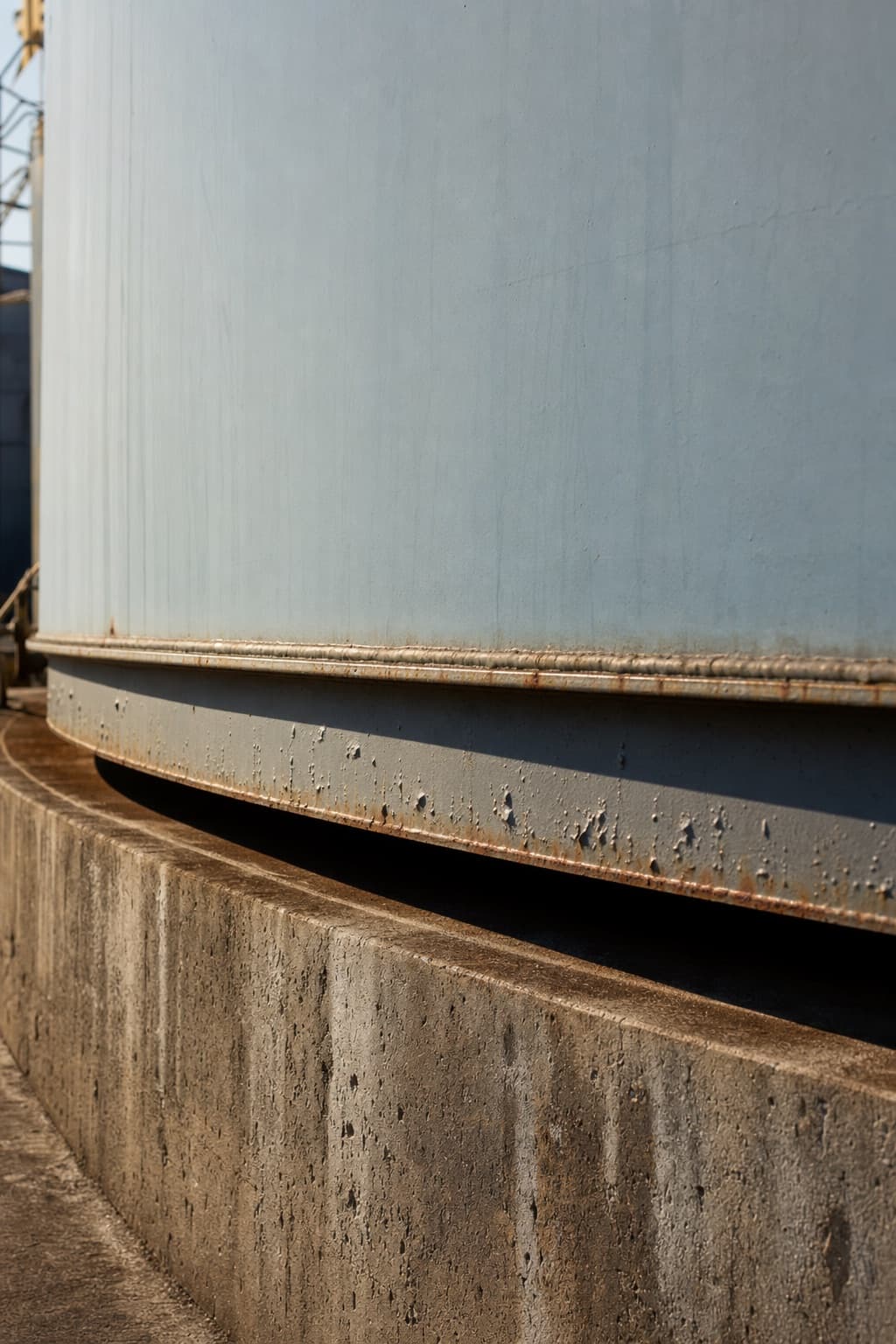
Internal examination
Out of service, cleaned, gas-freed, entered. The bottom is the reason it exists.
What it covers→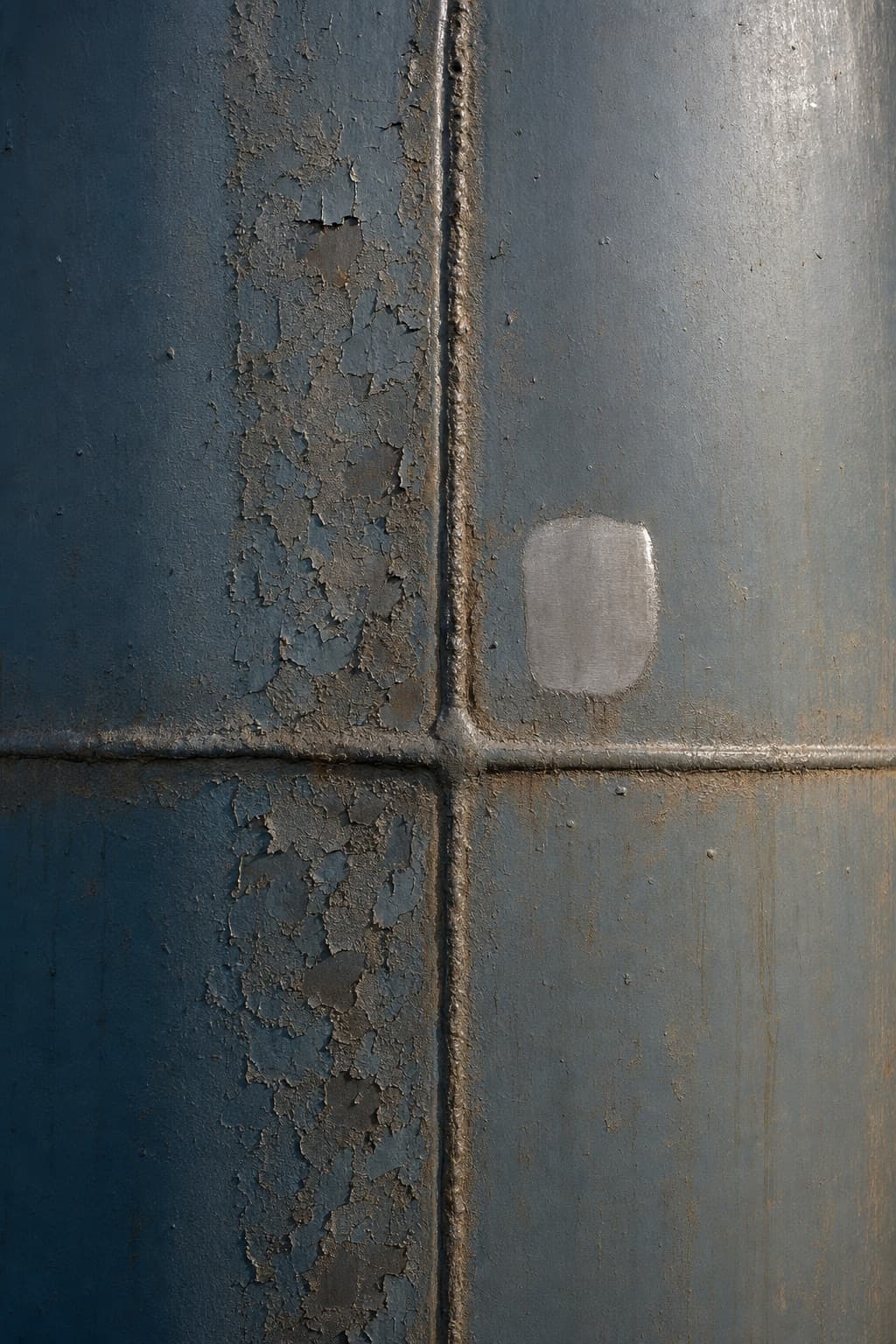
Corrosion and NDT
Finding what a coating is hiding, and putting a number on it.
What it covers→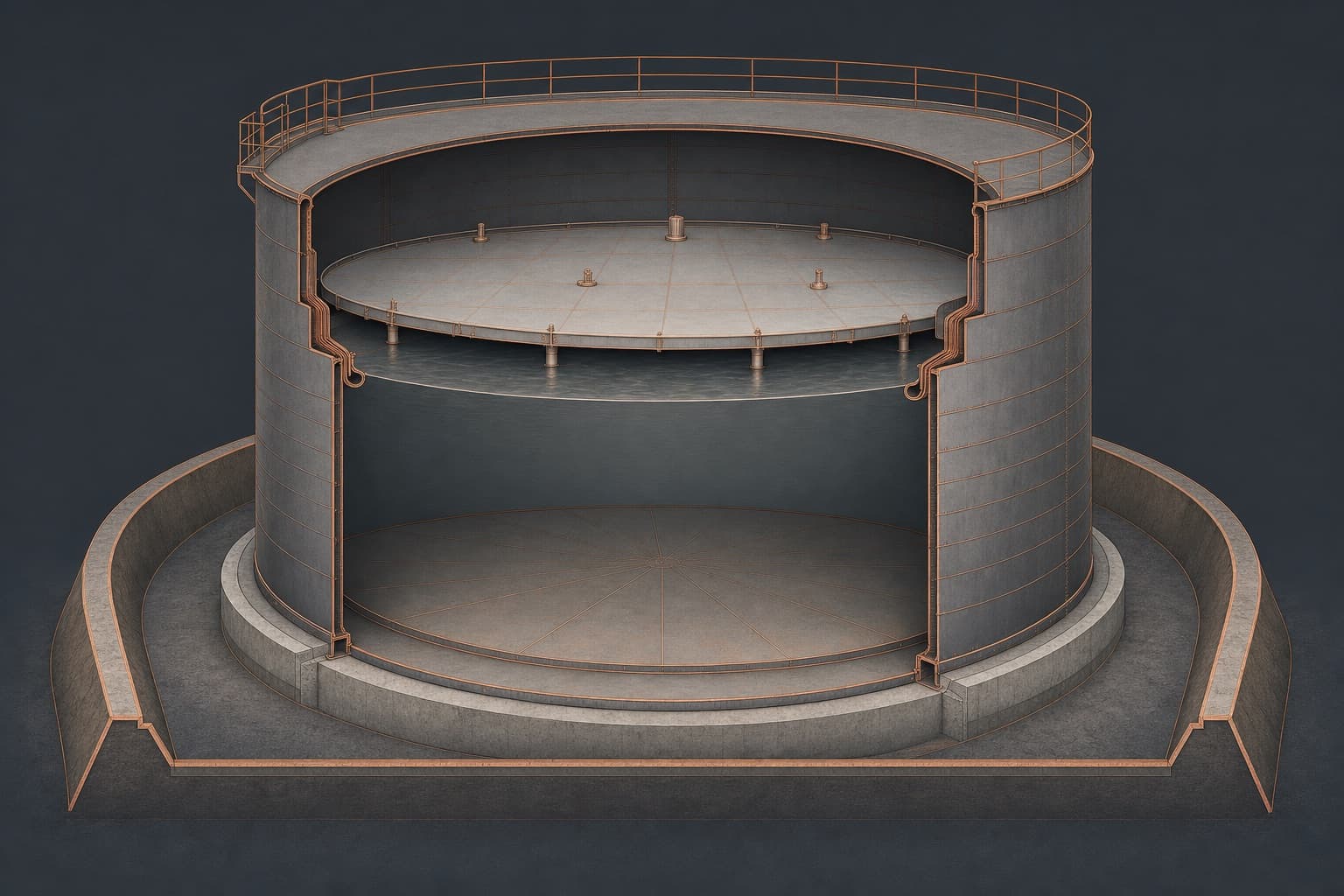
Where tanks actually fail
The most consequential weld is the one you cannot see
The shell-to-bottom weld sits at grade, corrodes from both sides, and is the detail that decides whether a tank can stay in service. Standing water against the chime is the cheapest thing on a tank farm to fix and the most expensive to ignore.
Four questions, then a call with the drawings open
Diameter, height, product history and the date of the last examination all matter, and none of them belongs in a form. They belong in a conversation where we can look at the records together.
Steel Tank Inspection carries out API 653 and STI SP001 inspections on welded steel storage tanks: external and internal examinations, ultrasonic thickness readings, bottom evaluation, and the report the standard requires.
- Certification number and expiry, in writing, before you ask for a price.
- Raw thickness data in the report, not a conclusion without the numbers.
- Access scoped before mobilization, so the quote does not move on site.
What the cycle actually is
The bottom decides, and it cannot be read from outside
In service
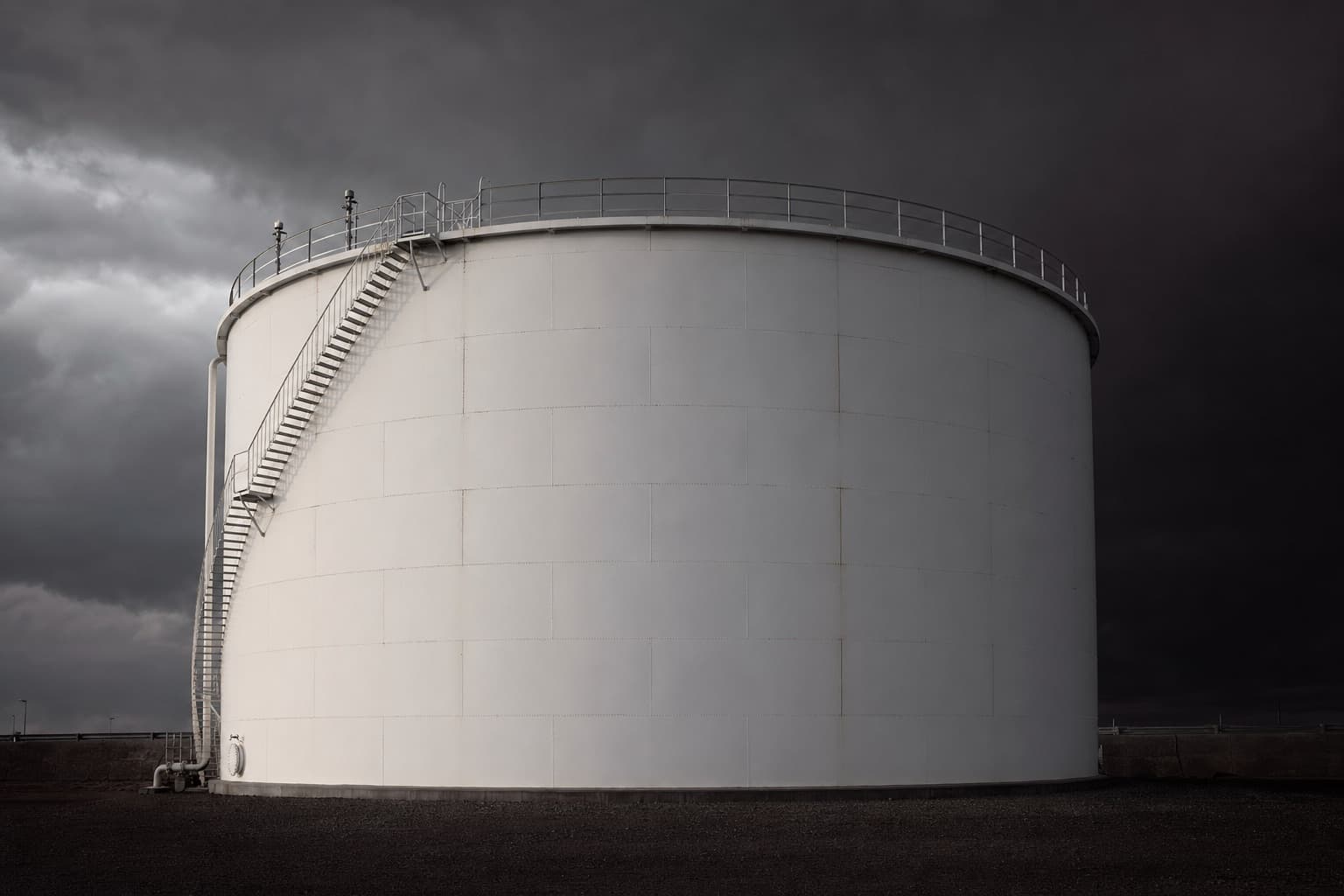
The tank is working and nothing looks wrong. This is where an external examination happens, and where the reachable thickness readings come from: shell courses, roof plates, nozzles, whatever a stairway and a walkway allow.
Out of service
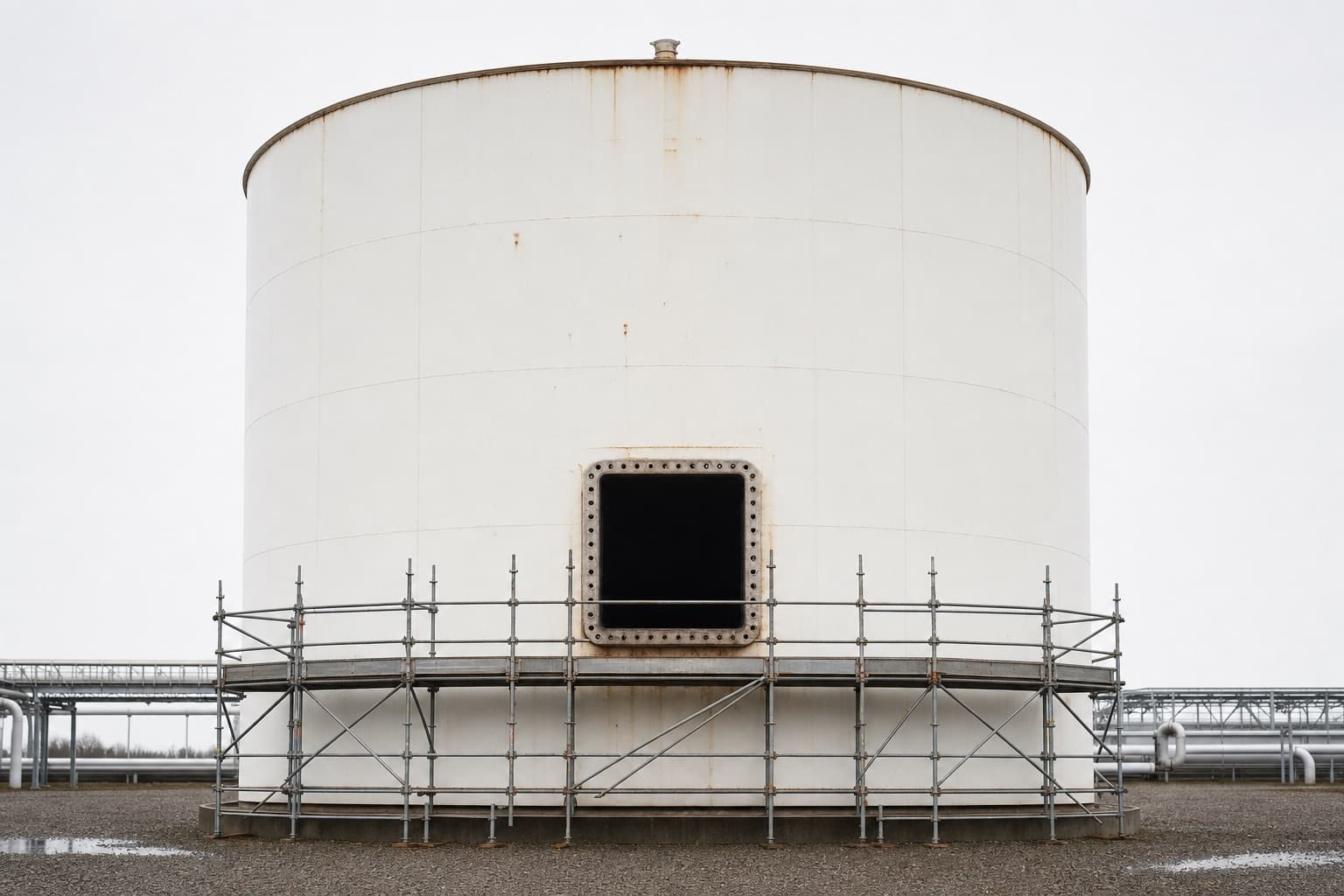
Emptied, cleaned, gas-freed, and opened. Nothing about the bottom can be settled from outside, and the bottom is the plate that decides whether the tank keeps its contents.
Back in service
Repairs done to the standard, and a next due date that comes from measured corrosion rate rather than from a table. That date is the part an auditor asks about.
Where this work happens
Five tanks, five different questions
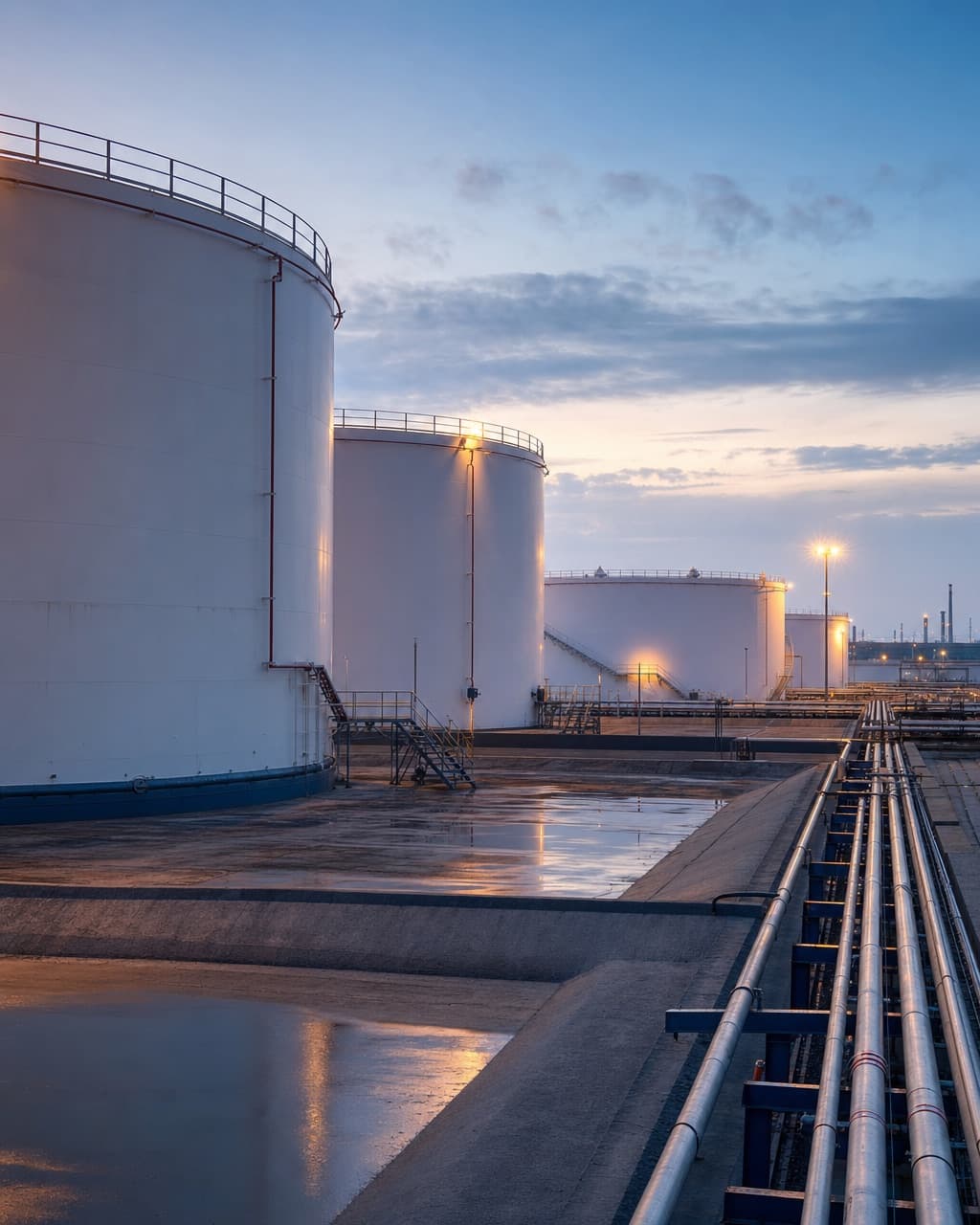
Bulk storage
Terminal tank farm
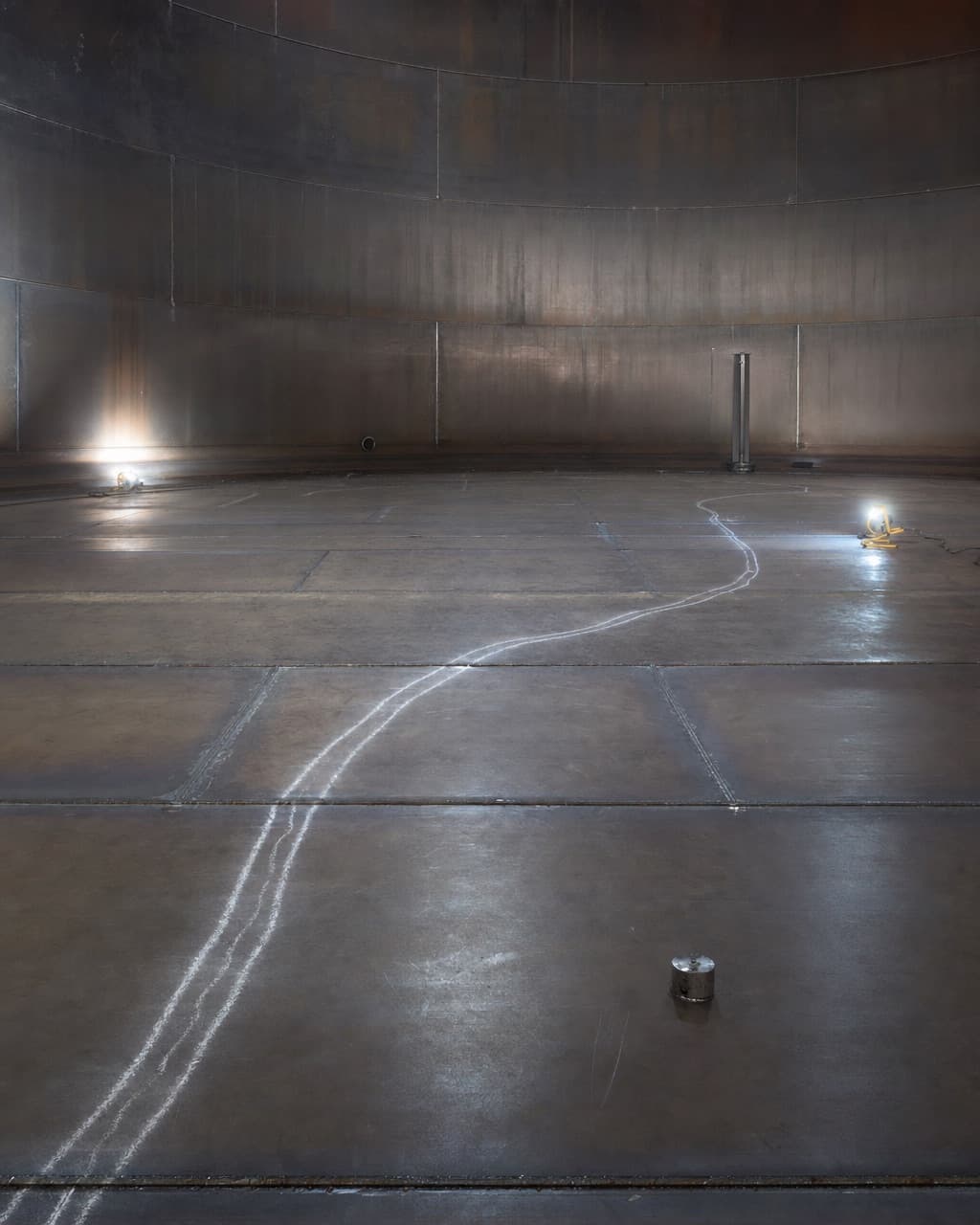
Internal examination
Bottom scanning
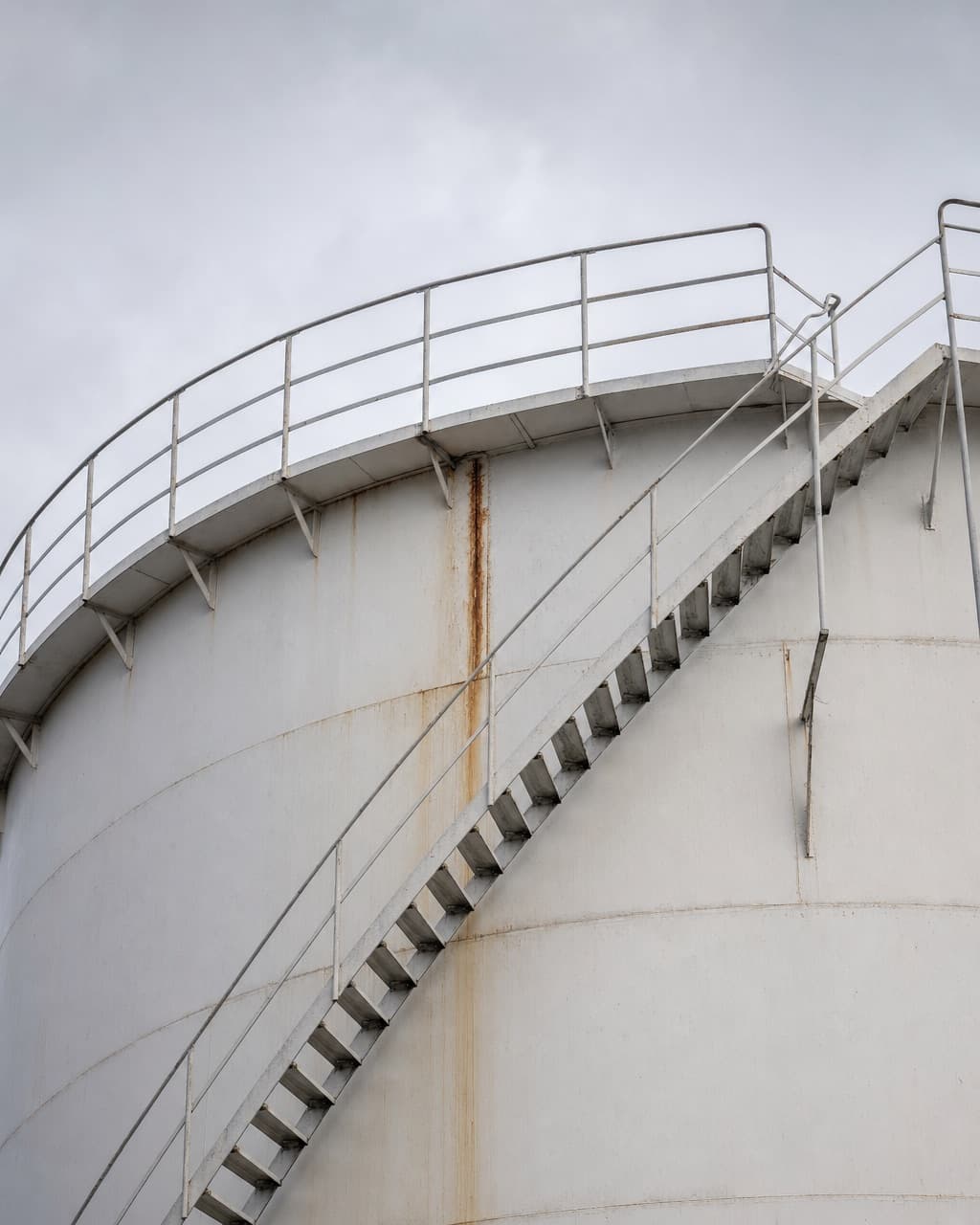
External examination
Shell and roof access
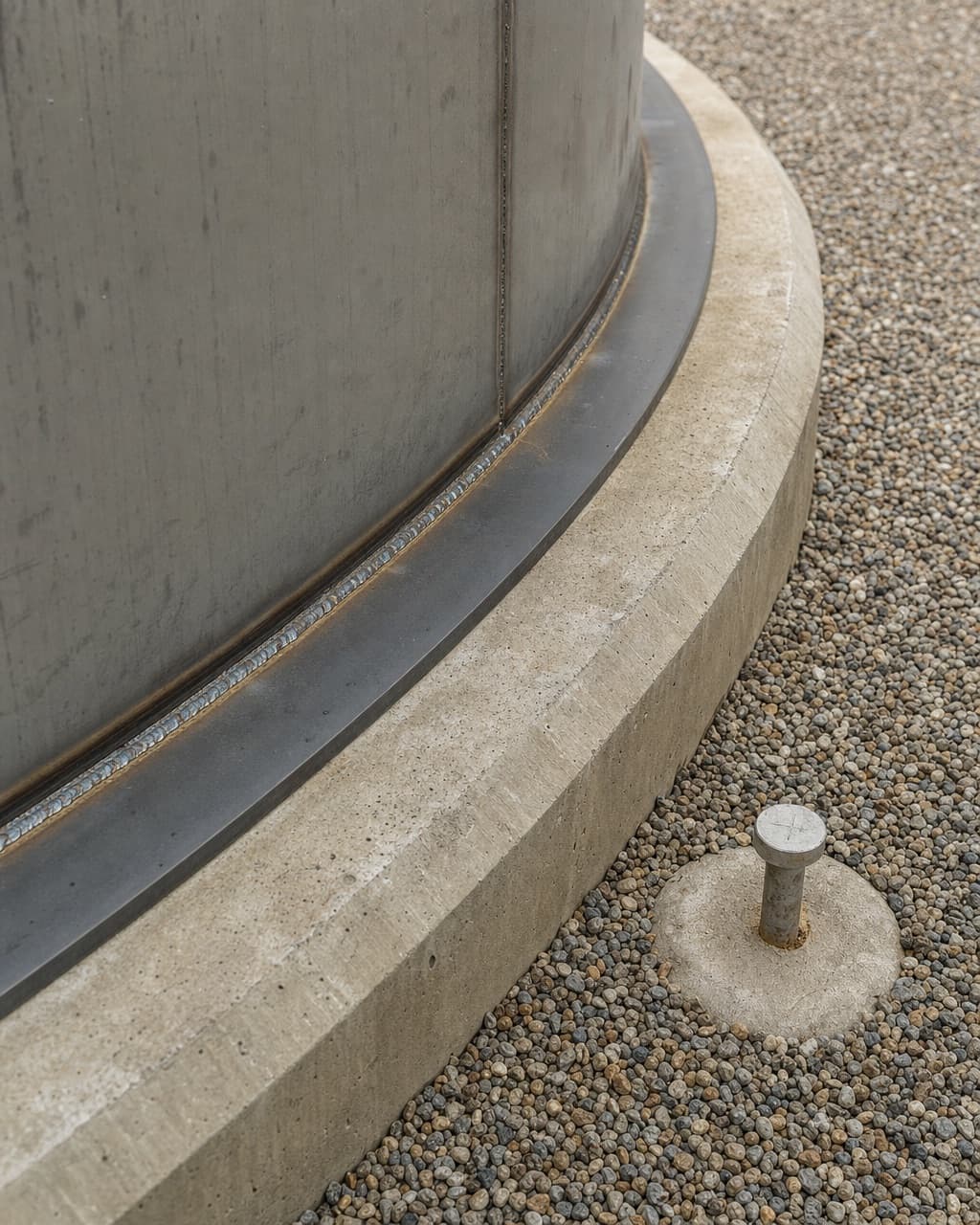
Settlement
Foundation and ringwall

Appurtenances
Cone roof

The number, not the opinion
Paint in good condition tells you nothing about the steel behind it. Remaining thickness is a measurement, taken at points chosen before anyone climbs, and it is what a minimum required thickness calculation consumes. An inspection that reports condition without reporting numbers cannot set a next due date.
Three questions that come up every time
Which examination am I due for?
It depends on when the last one was, what it found, and whether anything has changed since: service, repairs, settlement. The three examinations and their clocks are set out on the API 653 page.
Do you inspect underground tanks?
No. USTs are a different regulatory regime, tested rather than examined, and certified under state environmental programs. We will say so on the first call. The distinction is explained in the advice section.
Why is no price shown here?
Because access decides it more than the tank does, and access is not visible from a website. What makes up a quote is broken down on what drives the cost.