August 3, 2026 · 6 min
Underground versus aboveground tank inspection: two different rulebooks
This is the most searched inspection question in the category, and the answer for most people is that they are looking for a different discipline entirely.
`underground storage tank inspection` is searched more than twice as often as the aboveground equivalent. It deserves a straight answer rather than a page engineered to capture it, so here is the straight answer: underground tanks and aboveground tanks are governed by different rules, examined by different methods, and certified by different people.
Underground storage tanks
USTs are regulated primarily as an environmental matter, through federal EPA regulation implemented by state programs. The compliance work is built around not letting product reach the ground and proving it: release detection, spill and overfill prevention, corrosion protection, and periodic testing of lines and containment.
The characteristic activity is testing rather than visual examination, because the tank cannot be seen. Tightness testing, cathodic protection surveys, sump and containment testing, and inventory reconciliation, with the operator walkthrough recorded on a checklist between them. A UST inspection is a compliance exercise against a state program, and the qualifications required are set by that program.
We do not do this work. If you have a UST, your state environmental agency maintains the list of who is certified to test it in your state, and that list is the right starting point.
Aboveground storage tanks
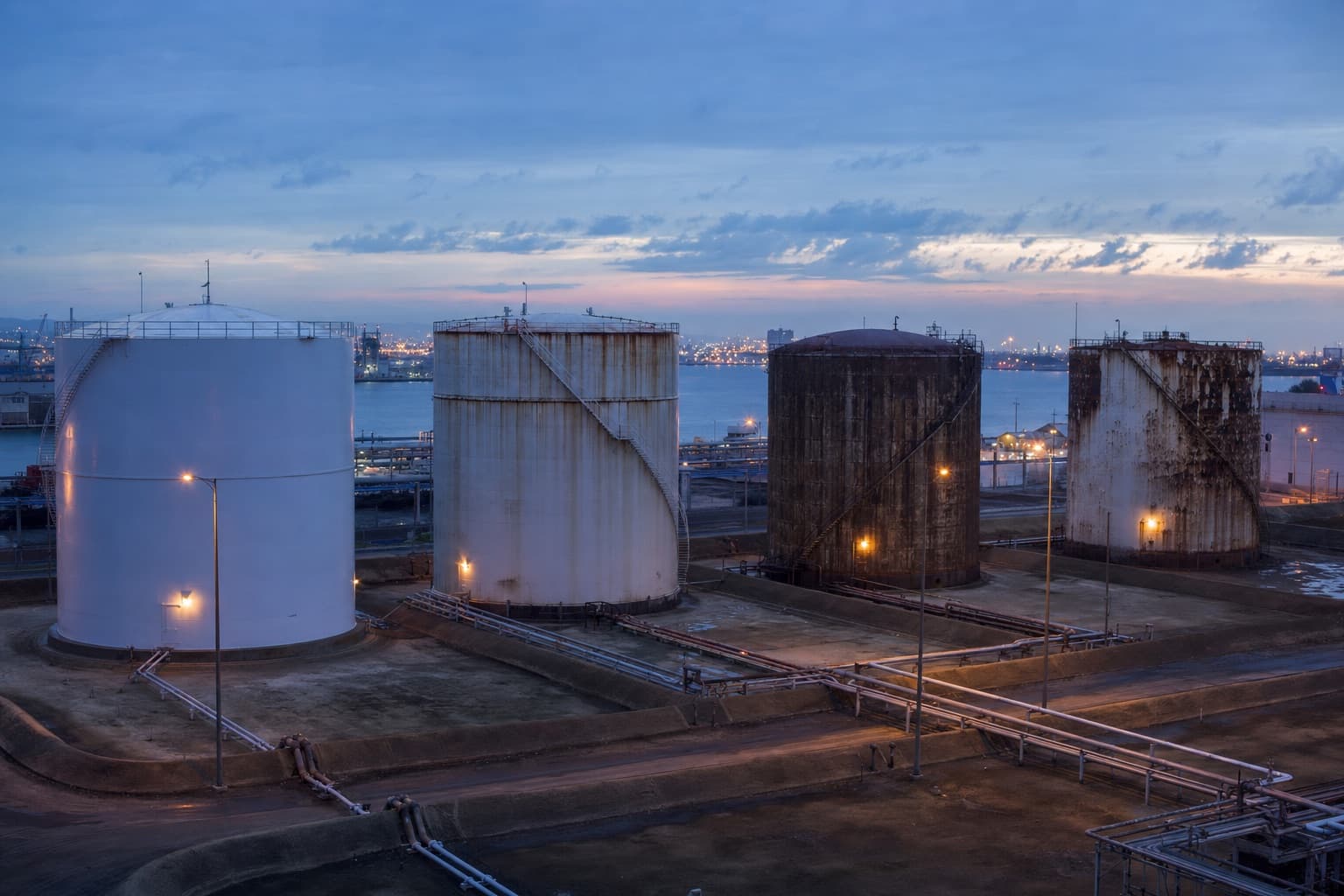
ASTs are inspected as an engineering matter. The tank can be seen, walked, measured and entered, so the work is examination and measurement against a mechanical integrity standard: API 653 for welded field-erected tanks, STI SP001 for shop-fabricated ones.
The output is a fitness-for-service judgement with numbers behind it: remaining thickness against a calculated minimum, a corrosion rate, a next due date, and a list of repairs ranked by urgency. The environmental requirement, usually through an SPCC plan, sits on top of that and frequently cites the standard rather than replacing it.
This is the work described on aboveground tank inspection.
The cases where people are genuinely confused
- A partially buried tank, or one in a vault. Which regime applies depends on the definitions in your state program, not on how it looks. This one is worth a phone call before assuming.
- An aboveground tank whose bottom sits on grade. It is an AST, and the underside of the bottom is exactly the part that cannot be seen, which is why the internal inspection interval is calculated the way it is.
- A water tank. Neither of the above regimes, and a different set of questions again, set out in what changes when the tank holds water.
Why we are telling you to go elsewhere
Because a company that accepts a UST inquiry, mobilizes, and then explains the distinction has wasted your week and its own. The same sorting is done for oil tanks in one search, three very different jobs. The measured cost per click on this query is $13.85, which tells you plainly that somebody is paying to capture it. We would rather answer it.
Tell us which kind of tank you have
If it is not work we do, we will say so on the first call rather than the third.
Steel Tank Inspection carries out API 653 and STI SP001 inspections on welded steel storage tanks: external and internal examinations, ultrasonic thickness readings, bottom evaluation, and the report the standard requires.